
How to write a memoir introduction: Simple tips and examples

Starting a memoir can feel surprisingly difficult. Once you begin writing, the memories themselves may come naturally, but knowing how to introduce your story is often much harder.
What should you say first? How much background should you include? And how long should a memoir introduction actually be?

The good news is that a memoir introduction doesn’t need to be perfect or dramatic. Its purpose is simply to welcome the reader into your story and give them a reason to continue.
Here’s a simple guide to writing a memoir introduction that feels natural, personal, and engaging.
What is a memoir introduction?
Your introduction is the opening section of your memoir. It sets the tone for the rest of the book and helps readers understand:
- Who you are
- Why you’re telling your story
- What the memoir is about
- Which themes or experiences matter most
Think of it less like a formal introduction and more like opening the door and inviting someone into your life. You don’t need to summarise your entire story upfront. Instead, focus on creating curiosity and emotional connection.
If you’re unsure which memories, themes, or experiences belong in your story, it may help to think first about what to include in your memoir.
How long should a memoir introduction be?
One of the most common questions people ask is how long their introduction should be.
In most cases, a memoir introduction only needs to be:
- Around 500 - 1,500 words
- Or roughly 2 - 5 pages in a printed book
The exact length matters far less than how it feels to read. A good introduction should be long enough to draw readers in, introduce your voice, give some context, and create curiosity about what comes next.
But it shouldn’t feel like a full life summary before the story has even begun. If your introduction starts becoming several chapters long, it may be better to move some of that material into the main memoir itself. A shorter, more focused opening is often more engaging.
If you’re also wondering about the length of the full book, our guide to how long a memoir should be may help.
A simple structure for a memoir introduction
There’s no single correct way to begin a memoir, but many strong introductions follow a simple structure.
1. Start with a key memory or moment
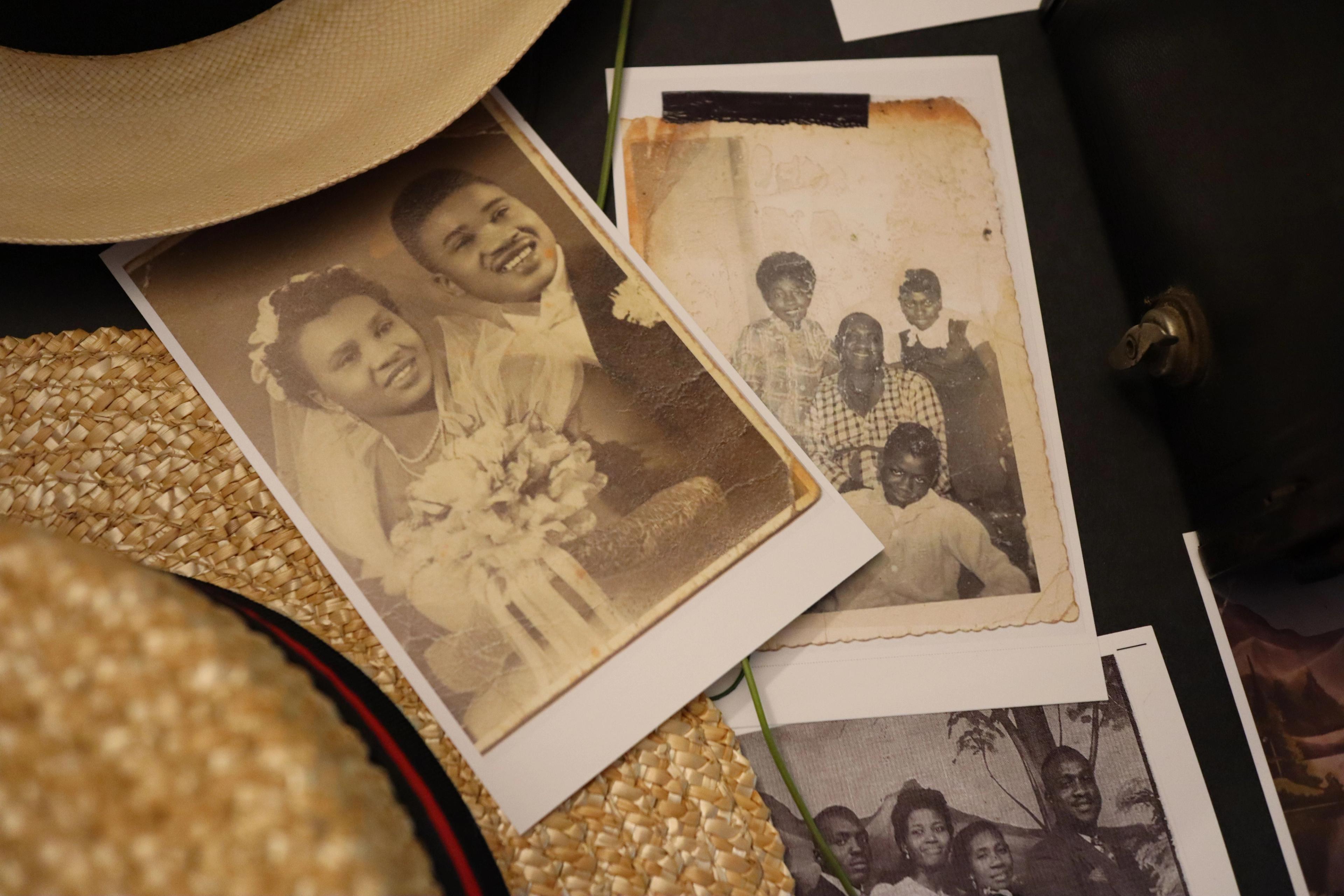
Begin with a small but meaningful scene, detail, or memory that draws readers in emotionally.
This could be:
- A childhood memory
- A conversation you still remember
- A place that stayed with you
- A moment that captures the heart of your story
- A detail that instantly takes you back in time
Starting with a scene helps readers feel connected immediately.
Instead of:
I was born in 1952 in a small town.
Try:
I still remember the smell of my father’s workshop on winter mornings.
Specific details often create a much stronger emotional connection than broad summaries. They help readers see, hear, and feel the memory with you.
Starting with a sensory detail is also one of the simplest ways to bring a memory to life from the very first page.
2. Introduce the bigger story
After your opening moment, briefly explain what your memoir explores.
This does not need to be complicated. You are simply giving readers a sense of the journey ahead and the themes that matter most in your story.
This could include:
- Family
- Loss
- Travel
- Love
- Work
- Parenthood
- War or historical events
- Personal growth
- The era you grew up in
You don’t need to reveal everything immediately. A memoir introduction should create curiosity, not explain every detail upfront.
3. Explain why you’re writing it

After drawing readers in, it helps to explain why this story matters to you. Many memoirs are written for deeply personal reasons, such as:
- To preserve family history
- To pass stories on to children or grandchildren
- To remember loved ones
- To reflect on important experiences
- To make sense of the past
- To ensure memories are not lost over time
You don’t need an extraordinary reason to write a memoir. Often, the most meaningful memoirs come from ordinary lives honestly told.
Readers connect with sincerity far more than perfection.
Memoir introduction examples
There are many different ways to begin a memoir. The right opening depends on your story, your voice, and the feeling you want to create.
Here are a few simple examples.
A memory-led opening
I still remember the sound of my mother singing in the kitchen on Sunday mornings. The radio would be playing quietly in the background, the windows would be misted from the kettle, and the smell of toast would drift through the house before anyone else was fully awake.
This kind of introduction begins with a specific memory. It works well because it immediately places the reader inside a moment.
A reflective opening
For years, I thought my life was too ordinary to write down. I had not been famous, travelled the world, or made headlines. But the older I became, the more I realised that ordinary moments are often the ones families treasure most.
This approach works well if your memoir is about reflection, family, ageing, legacy, or understanding the value of an ordinary life.
A theme-led opening
This is not a story about fame or fortune. It is a story about family, resilience, hard work, and the small choices that shape a life. It is a story about where I came from, what I learned, and what I hope will be remembered.
This type of opening gives readers a clear sense of what the memoir is really about.
What should you avoid in a memoir introduction?
A memoir introduction does not need to explain your entire life story immediately.
Some common mistakes include:
- Including too much background information at once
- Listing dates and events without emotion or detail
- Trying to sound overly formal or professional
- Beginning too far before the real story starts
- Explaining everything before giving readers a reason to care
Instead, focus on creating connection and curiosity. A simple, honest opening is usually far more engaging than trying to summarise everything at once.
Keep the tone natural and conversational
Many people assume memoir writing has to sound professional or formal. It doesn’t. In fact, the best memoir introductions often feel like someone speaking honestly across a table.
Write the way you naturally tell stories:
- Clearly
- Warmly
- Personally
- Simply
You’re not trying to impress people. You are trying to connect with them and show them who you are.
Should you write your memoir introduction first?
You can write your introduction first, but you don’t have to. In fact, many people find it easier to come back to the introduction after they have written more of the memoir itself. Once you understand the shape of your story, the key themes often become much clearer.
You may begin with one introduction and later realise that a different memory, moment, or reflection creates a stronger opening. That’s completely normal.
So don’t let the first page stop you from continuing. A memoir introduction doesn’t need to be perfect. It just needs to begin.
Final thoughts
Writing a memoir introduction is really about inviting someone into your memories and experiences.
You don’t need a dramatic opening or a remarkable life story. What matters most is honesty, reflection, and giving readers a sense of the person behind the pages.
And if writing your memoir ever feels overwhelming, you don’t have to do it entirely alone. Many people find it helpful to talk through their memories with someone who can help shape the story, organise the material, and turn it into a finished book they’re proud to share with family for generations to come.
Ready to take the next step?
If you’d like help shaping your memories into a finished memoir, our guided memoir writing service can support you from first idea to finished book.
At My Stories Matter, we guide people through the memoir process with real human support, thoughtful editing, and beautifully designed books created to be shared for generations.
You’ll always speak to real people who take the time to understand your story and help bring it to life in a way that feels personal and meaningful.


