
How to start writing your memoir (even if you don’t know where to begin)

Most people don’t struggle to remember their life, they struggle to know where to start.
You might have years of memories, stories, and experiences, but no clear idea how to turn them into something meaningful… or whether they’re even “interesting enough” to write down.

The truth is, almost everyone feels this way at the beginning. And the good news? You don’t need a perfect plan. You just need a simple way to begin.
Start small (really small)
The biggest mistake people make is trying to start with their entire “life story.” Instead, start with just a single memory.
It could be something as simple as your earliest memory of your grandmother. The house, the smell of the kitchen, or something she used to say. These small, specific moments are where great memoirs begin.
Don’t worry about order, structure, or whether it’s important enough. Just write it down.
Focus on quantity, not perfection
At the start, your only goal is to capture memories, not to get everything “right.” Try to write things down as they come to you, such as:
- A full story
- A short paragraph
- Even just a sentence or a piece of dialogue
You can organise and refine everything later. For now, you’re simply gathering the building blocks of your memoir.
Start with what comes easiest
You don’t have to begin at the beginning. In fact, many people find it easier to start with memories that come naturally, such as:
- Childhood memories
- Early adult life
- Important or emotional moments

There’s a reason for this. We often remember certain periods more clearly than others, especially our younger years. If those memories come more easily, they’re a perfect place to start.
Use life moments as anchors
One of the most common concerns is: “What if I can’t remember everything clearly?”. The truth is, you don’t need to remember everything. You don’t need to remember every detail, nobody does. Instead, think about key moments in your life and use them as starting points:
- Moving to a new city
- Starting a new job
- Getting married
- Raising children
From there, simply write what you do remember. It’s not about perfect detail, it’s about your perspective and what those moments meant to you.
Use things to help you remember
Sometimes all it takes is a small prompt to bring a memory back. You might find it helpful to look at:
- Pictures - old photo albums, pictures in the attic, or even images on your phone can be a powerful starting point.
- Letters or keepsakes - certificates, cards, or personal items
- Conversations - talking with family or friends
These can often unlock memories you hadn’t thought about in years, and give you a natural place to begin writing.
For more memory prompts, see our guide on how to relive memories.
Build a simple writing habit

Consistency matters more than intensity. You don’t need to write for hours each day. In fact, it’s often easier to start small:
- Begin with just 5 - 10 minutes a day
- Link it to something you already do (like your morning coffee)
- Let it become part of your routine
This is sometimes called “chaining”, linking a new habit to something you already do. Over time, it starts to feel more natural, and much easier to continue.
Bring your memories to life with detail
What makes a memoir engaging isn’t just what happened, it’s how it felt. When writing a memory, try to include small details:
- What you could see or hear
- Any smells or surroundings
- How you felt at the time
For example, instead of simply saying you attended a wedding, you might describe the atmosphere, the sounds, or the emotions you experienced. These details help bring your story to life.
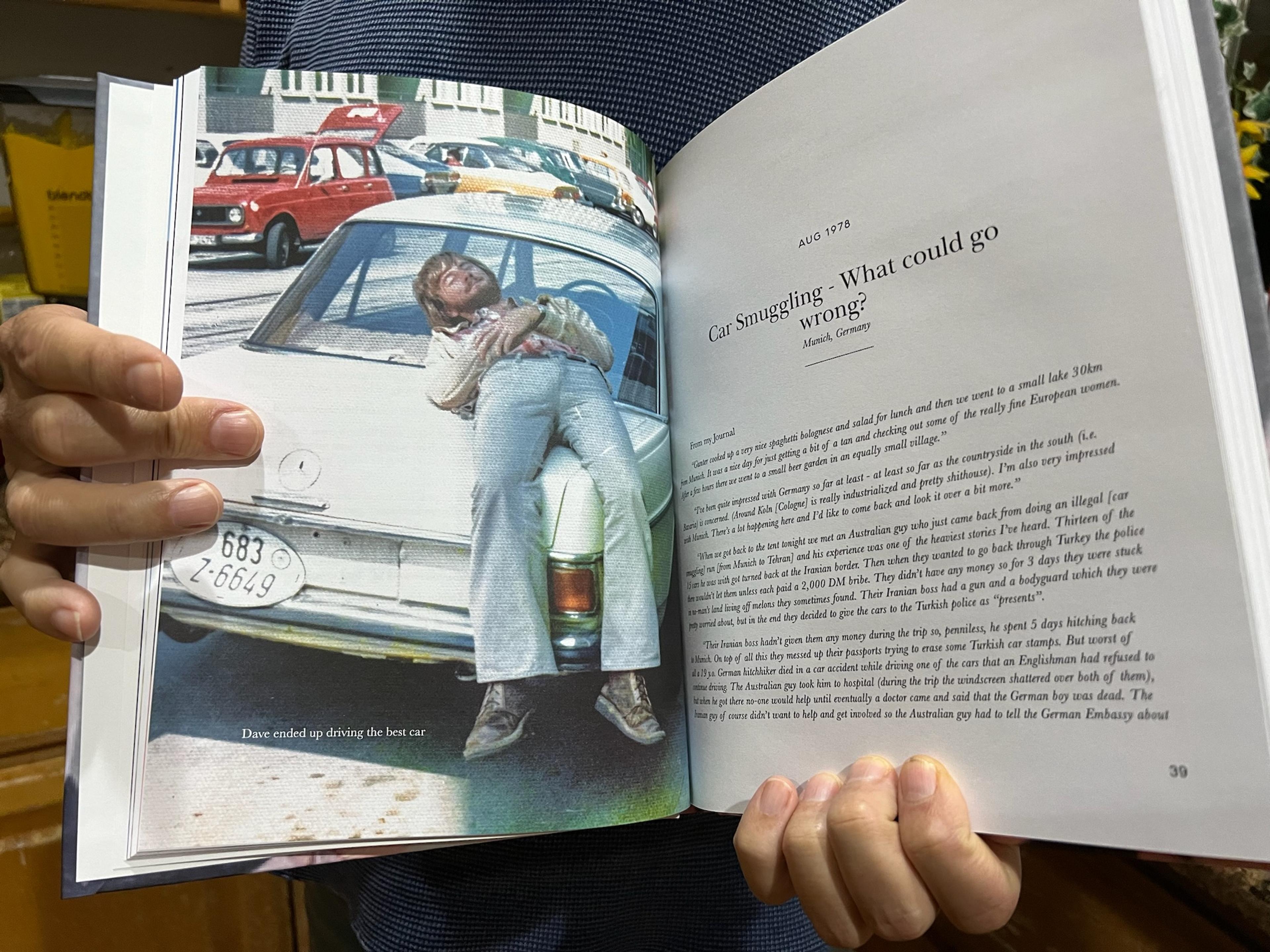
Don’t worry about getting it “right”
Memories aren’t fixed. Two people can experience the same event and remember it differently; this is sometimes called the Rashomon Effect.
That’s completely natural, and it’s part of what makes your story unique. Focus on your perspective, your version of events. That’s what gives your memoir its authenticity and meaning.
Structure comes later
Once you’ve written a collection of memories, you can begin shaping your memoir. There are a few common ways to structure it:
- Chronological - telling your story from beginning to end
- Thematic - grouping stories around themes like family, work, or challenges
- A mix of both
But this comes later. For now, focus on getting your memories down. You can organise everything once you have something to work with.
When you’re ready, our guide on how to structure your memoir can help you organise those memories into a clear book.
A simple process to follow
If you’re unsure how to begin, you can keep it simple:
- Write down any memory that comes to mind
- Don’t worry about order or quality
- Build a small daily writing habit
- Let your writing sit for a few days
- Come back later to refine and improve
This approach keeps things manageable and removes the pressure to get everything right immediately.
Ready to take the next step?
Starting is the hardest part, and you’ve already taken it by reading this. If you’d like help turning your memories into a finished book, we can guide you through the process and shape your story into something your family will truly value.
At My Stories Matter you’ll always speak to a real person, who’s genuinely interested in your story. Someone who can listen, ask the right questions, and help you move forward at your own pace, whatever stage you’re at.


