
How to structure a memoir or life story (a clear, simple guide)

Once you’ve written down your memories, the next challenge is shaping them into a clear, engaging book. This is often where people get stuck.
A well-structured memoir helps your reader follow your story, stay engaged, and understand what your experiences meant. It also helps them understand not just what happened, but why it mattered.

The good news is, your memoir structure doesn’t have to be complicated. A few simple principles can make a big difference.
If you’re still gathering material, our guide to what to include in a memoir can help you decide which memories, people, and lessons belong in your story.
Choose the right structure for your story
There are a few simple ways to structure a memoir. You don’t need anything overly complex, just something that helps your story flow naturally.
Chronological structure
This follows your life in order, from earlier events through to later ones. It works well if your story naturally unfolds over time and you’d like a clear, easy-to-follow timeline.
Thematic structure
Instead of following time, this groups your memories around themes, such as family, work, love, or personal challenges. This approach works well if your story centres around a particular idea or message.
A combination of both
Many memoirs use a mix of the two. For example, you might follow a general timeline, but focus each chapter on a key theme or period. This often gives the best balance of clarity and flexibility.
Focus each chapter on one main idea
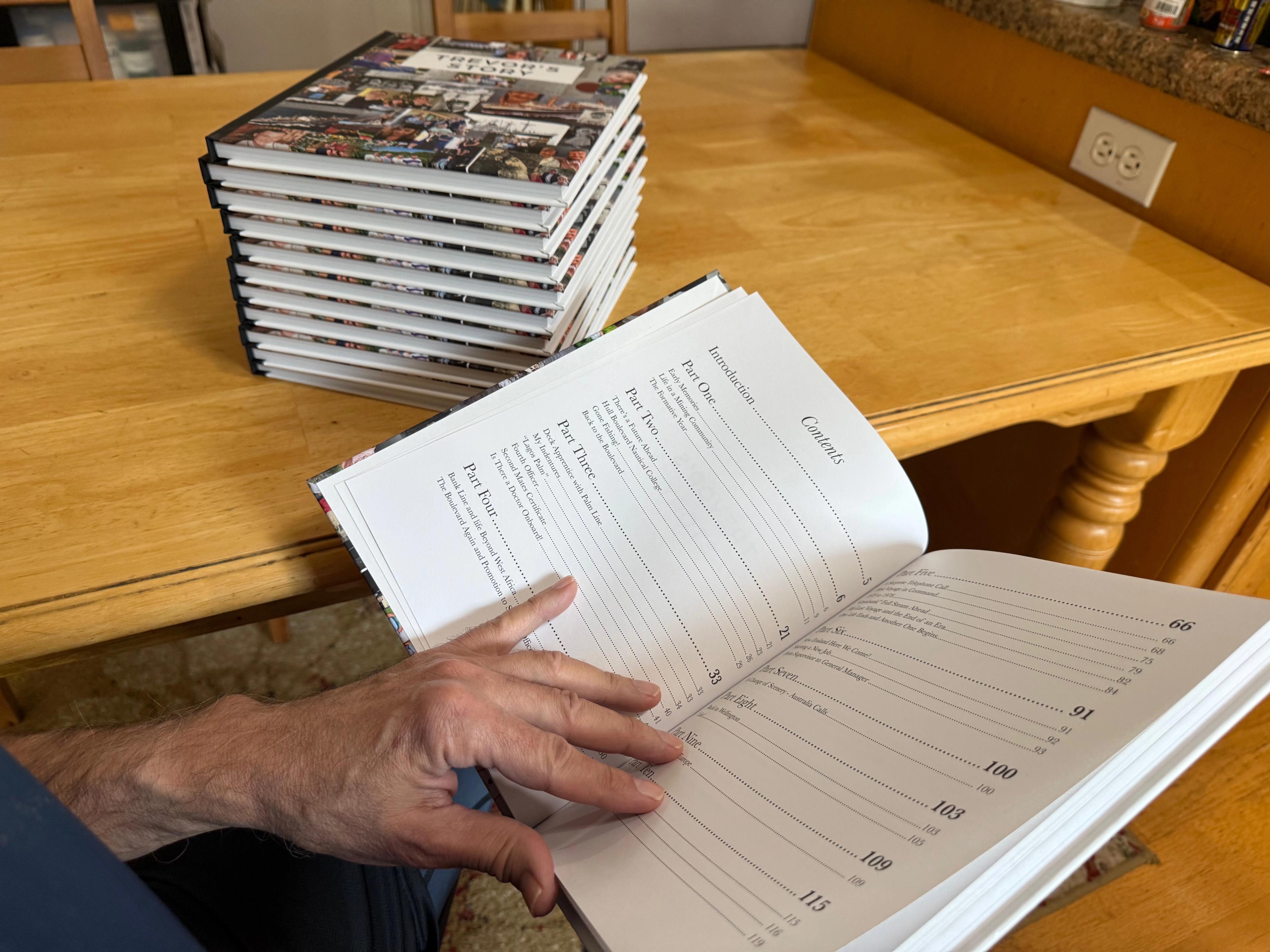
One of the simplest ways to improve your memoir is to keep each chapter focused. Rather than trying to cover too much at once, let each chapter centre around one clear topic. This might be:
- A specific period of time
- A meaningful place
- An important relationship
- A defining experience
Keeping chapters focused makes your memoir easier to follow and more engaging to read.
Give each chapter a clear beginning, middle, and end

Every chapter should feel like a complete story. A simple way to do this would be:
Beginning
Set the scene:
- Where are you?
- Who is involved?
- What’s happening?
Middle
Develop the story:
- What unfolds?
- What changes or challenges arise?
End
Reflect on what it meant:
- What did you learn?
- Why does this moment matter?
This simple structure keeps your writing clear and satisfying.
Use subheadings to organise longer chapters
If a chapter includes multiple moments or stories, break it into sections. For example, a chapter about a time in your life might include:
- Arrival and first impressions
- Key experiences
- Challenges
- Leaving or reflection
Subheadings make your memoir easier to read and help guide the reader through your story.
Keep paragraphs short and readable
Structure isn’t just about chapters; it’s also about how your writing looks on the page.
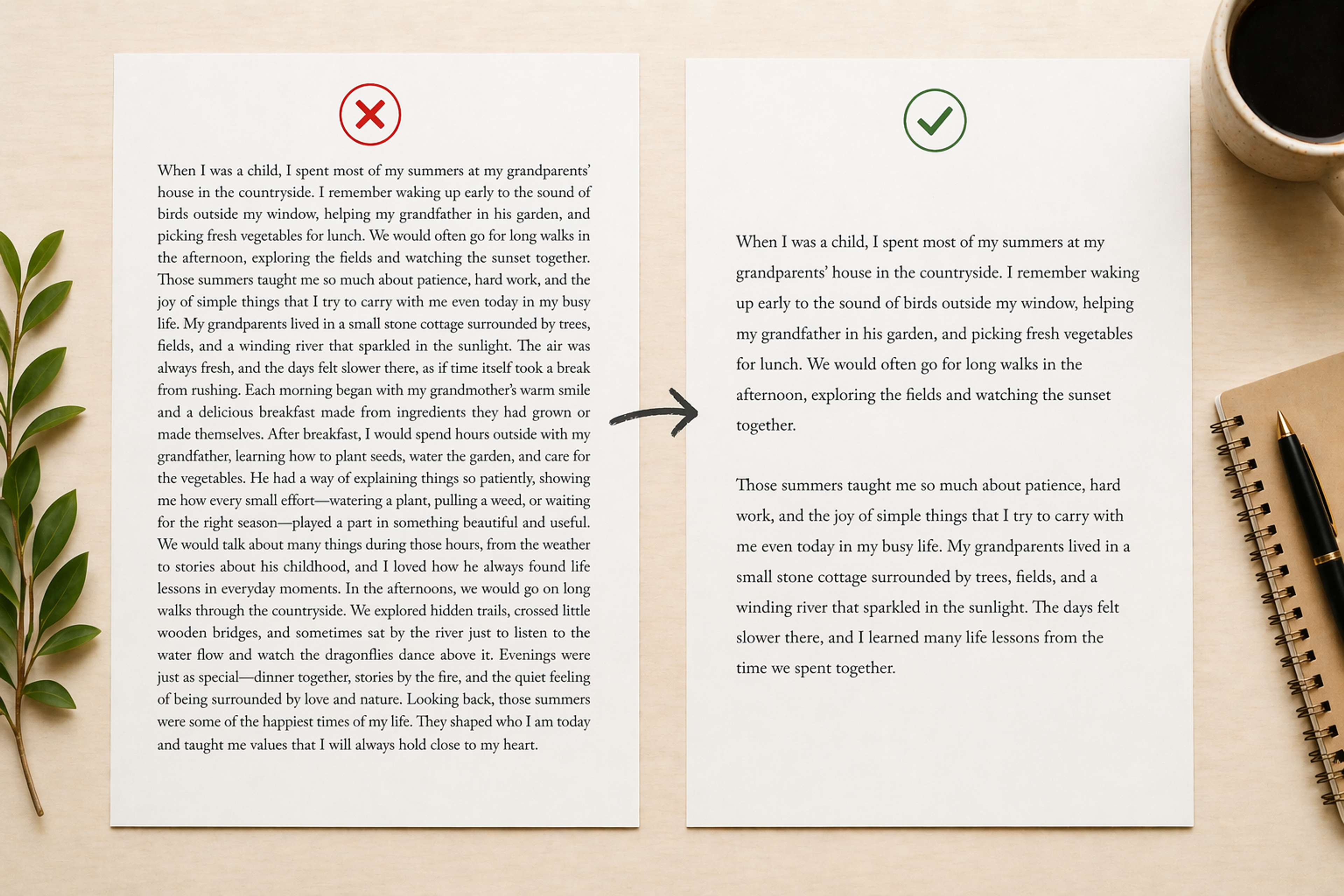
To keep things easy to read:
- Keep paragraphs to around 4 - 6 lines. Slightly longer if needed.
- Start a new paragraph when the focus shifts
- Avoid long, dense blocks of text
This helps your memoir flow naturally and keeps readers engaged.
Keep each story contained
It’s easy for one memory to lead into another. While that can feel natural when writing, it can make things harder to follow.
- Focus each section on one moment or idea
- Avoid jumping between unrelated stories
- Let each story stand on its own
This creates a more organised and enjoyable reading experience.
Use themes to create connection
Even if your memoir follows a timeline, themes help tie everything together. For example, your story might explore:
- Resilience
- Family
- Change
- Identity
By recognising and remembering these themes throughout, you can shape your chapters more intentionally and give your memoir a stronger sense of meaning and consistency.
A simple structure you can follow
If you’re unsure how to organise your memoir, this approach works well:
- Group your writing into themes or time periods
- Turn each group into a chapter
- Give each chapter a clear beginning, middle, and end
- Break longer chapters into smaller sections
- Keep paragraphs short and focused
This creates a clear, consistent structure that’s easy to follow.
Keep your structure simple
Your memoir doesn’t need a complex or perfect structure. What matters most is clarity, focus and readability.
A simple, well-organised memoir will always be more engaging than one that feels scattered or difficult to follow.
Ready to shape your memoir into a finished book?
Once your structure starts to take shape, the next step is turning your writing into something polished and complete.
If you’d like help turning your written memories into a finished book, My Stories Matter can help you organise, polish, and design your memoir.
You’ll speak to a real person who takes the time to understand your story, and helps you bring it together, step by step.


