
Family history book vs life story book: What’s the difference?

If you’re thinking about preserving your family’s memories, you may have come across terms like “family history book” and “life story book.” They can overlap, but they usually have a slightly different focus.
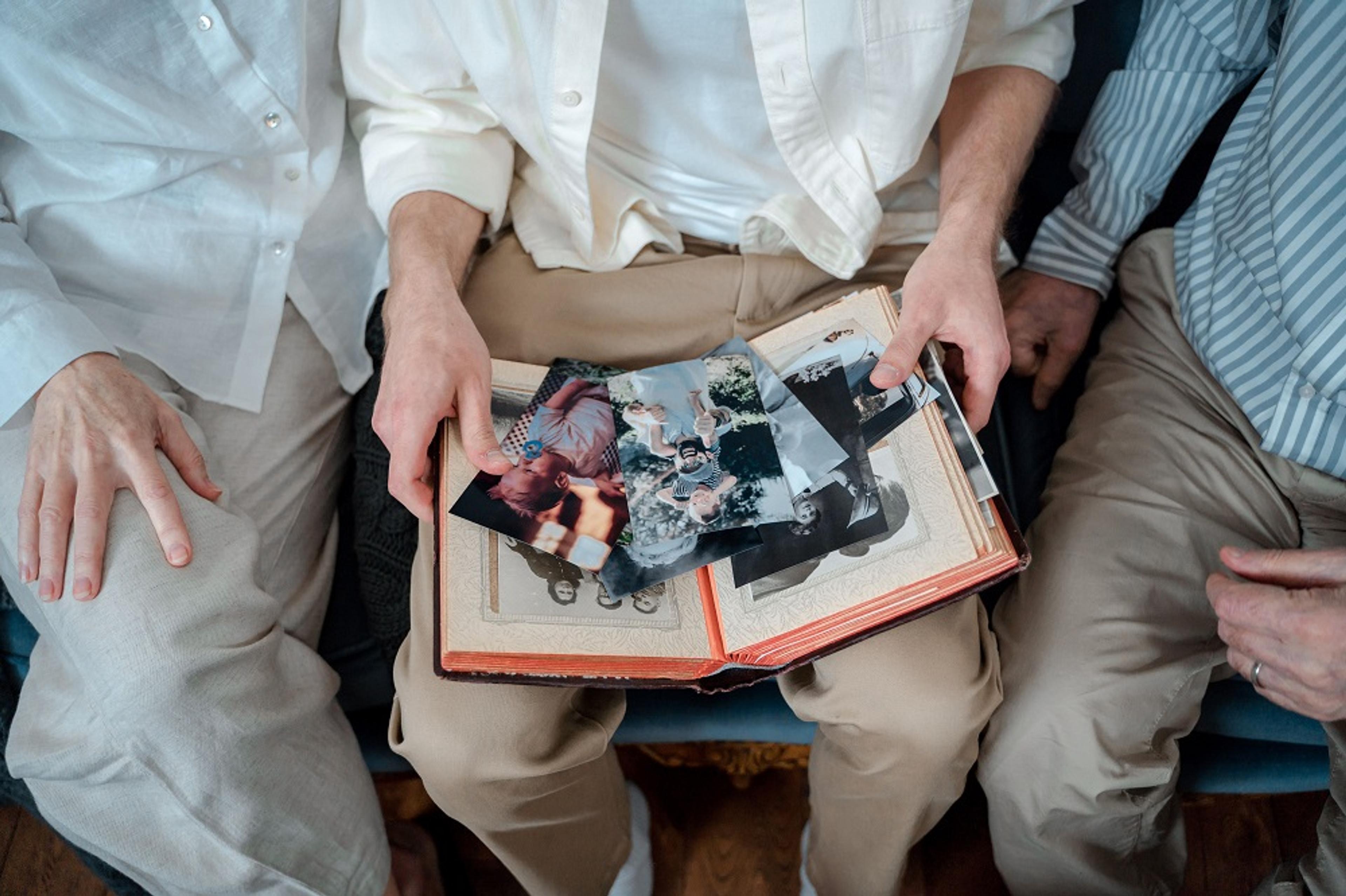
A family history book tends to tell the story of a family across generations, while a life story book focuses more closely on one person and the memories, experiences, relationships, and events that shaped their life.
Neither approach is better than the other. It simply depends on what you want to preserve.
What is a family history book?
A family history book usually looks beyond one individual and tells the story of a wider family.
It might include:
- Parents, grandparents, and earlier generations
- Family trees and relationships
- Where different branches of the family came from
- Important dates and events
- Old photographs, letters, documents, or records
- Stories that have been passed down through the family
Some family history books are heavily based on genealogical research. Others are much more personal, combining family facts with photographs, memories, anecdotes, and stories about the people behind the names.
The result can become a valuable record of where a family came from and how it developed over time.
What is a life story book?
A life story book normally places one person at the centre. Rather than documenting the whole family tree, it tells the story of that person’s life through their own experiences and memories.
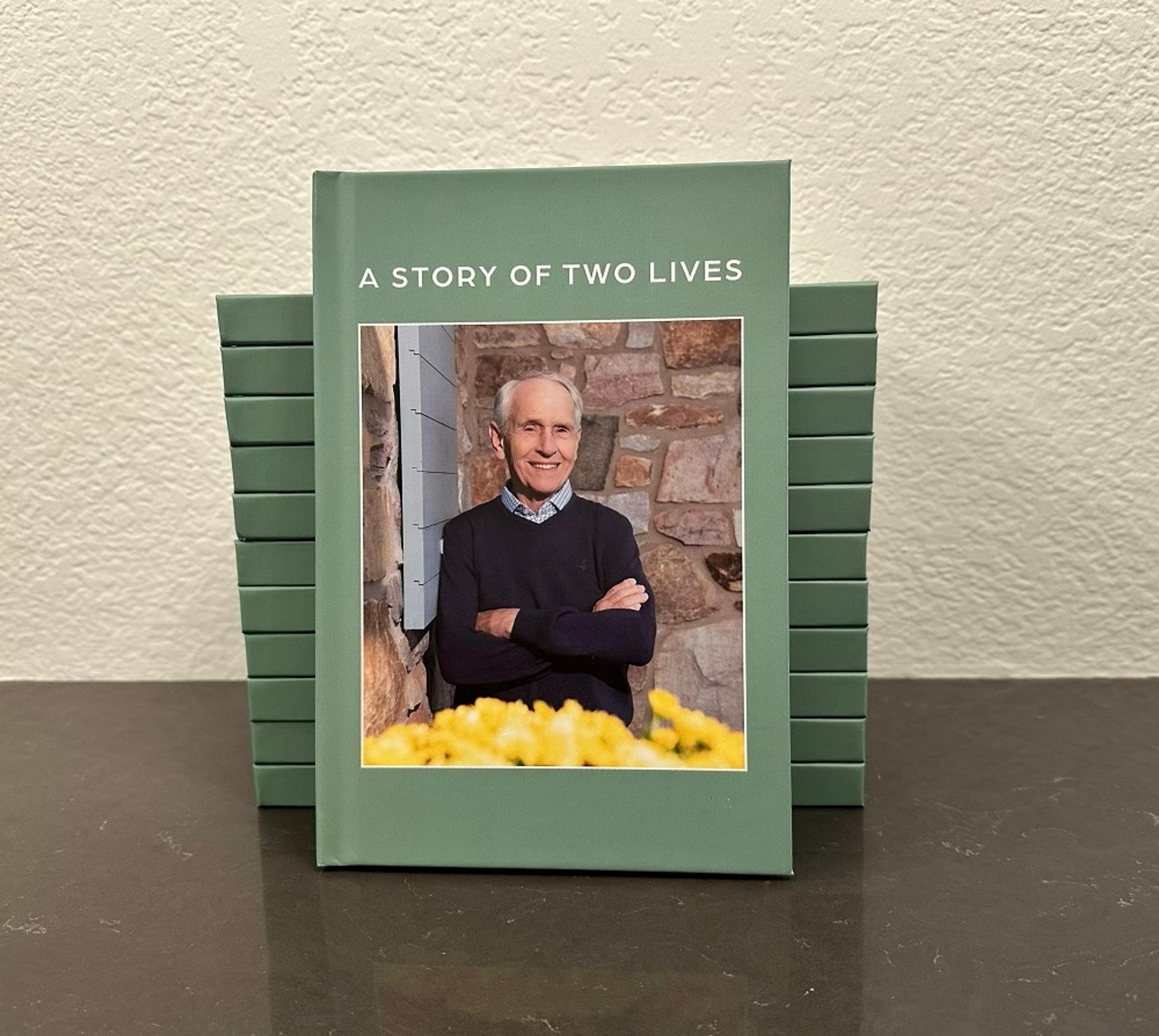
This might include:
- Childhood and family life
- School and early adulthood
- Work and career
- Relationships and marriage
- Children and grandchildren
- Travel and important experiences
- Challenges and turning points
- Personal reflections and lessons learned
A life story book is often more personal in tone because you’re not simply recording what happened. You’re also capturing what those experiences felt like and what they meant to the person living them.
If you’re thinking about telling your own story but aren’t sure how to begin, our guide to how to start writing your memoir takes you through the first steps.
Family history book vs life story book at a glance
| Family history book | Life story book | |
|---|---|---|
| Main focus | A family or several generations | One person’s life |
| Time period | Often spans several generations | Usually one lifetime |
| Common material | Family research, records, photographs and stories | Memories, experiences, photographs and reflections |
| Main purpose | Preserve the history of a family | Preserve someone’s personal story |
| Style | Can be historical, factual, or story-led | Usually more personal and narrative |
These aren’t strict rules, though. In reality, the two can blend together very naturally.
Can a life story book include family history?
Absolutely. Your family background is part of your life story.
You might begin by talking about your parents and grandparents, where they came from, what they did, and what you remember about them. You could include a family tree, old photographs, or stories about previous generations before moving into your own childhood and life.
This can give readers valuable context and help future generations understand not only your story, but where the family came from too.
Can you combine the two?
You don’t necessarily have to choose. Some books begin with a short family history before focusing mainly on one person’s life. Others move between generations, using family stories to provide context for the writer’s own experiences.
For example, you might include a chapter about your grandparents and parents before moving into memories of your childhood, career, family, and later life.
The right approach depends on the story you want the finished book to tell.
If you’re bringing together family history, memories, photographs, and different stages of your life, having a clear structure can make the process much easier. Our guide to how to structure a memoir explains a few simple ways to organize everything.
Which type of book is right for you?
It can help to think about what you most want future generations to know. If your main aim is to document your ancestors, family tree, and the history of several generations, a family history book may make the most sense.
If you want children and grandchildren to understand what your life was actually like, such as the people you knew, places you lived, decisions you made, and memories you still carry, a life story book may be a better fit.
And if both feel important, there’s no reason you can’t bring them together.
You don’t need to have everything worked out first
Whichever type of book you choose, you don’t need to know exactly what every chapter will contain before you begin.
You might start with a collection of photographs, some family research, a partly written manuscript, or simply a lifetime of memories. Once you begin gathering the material, the shape of the book often becomes much clearer.
Bringing your family’s story together
At My Stories Matter, we can help with both family history books and personal life story books.
Our specialty is helping people turn their own memories and experiences into a beautifully designed life story book. If you’re starting from the beginning, you can learn more about our guided memoir service and how we support you through the writing process.
We can also work with existing family stories, photographs, research, and other material to help bring everything together into a finished book.
You’ll work with real people throughout the process, with support to organise your material, shape your story, and turn it into a professionally designed hardcover book.


