
6 reasons why photos matter in a memoir or life story book

A memoir or life story book is built around words, but photos can make those words feel even more alive.
They help readers see the people, places, and moments behind the story. They give shape to names they may have heard for years. They preserve details that might otherwise be forgotten. And for future generations, they can turn a family story into something easier to understand, imagine, and remember.
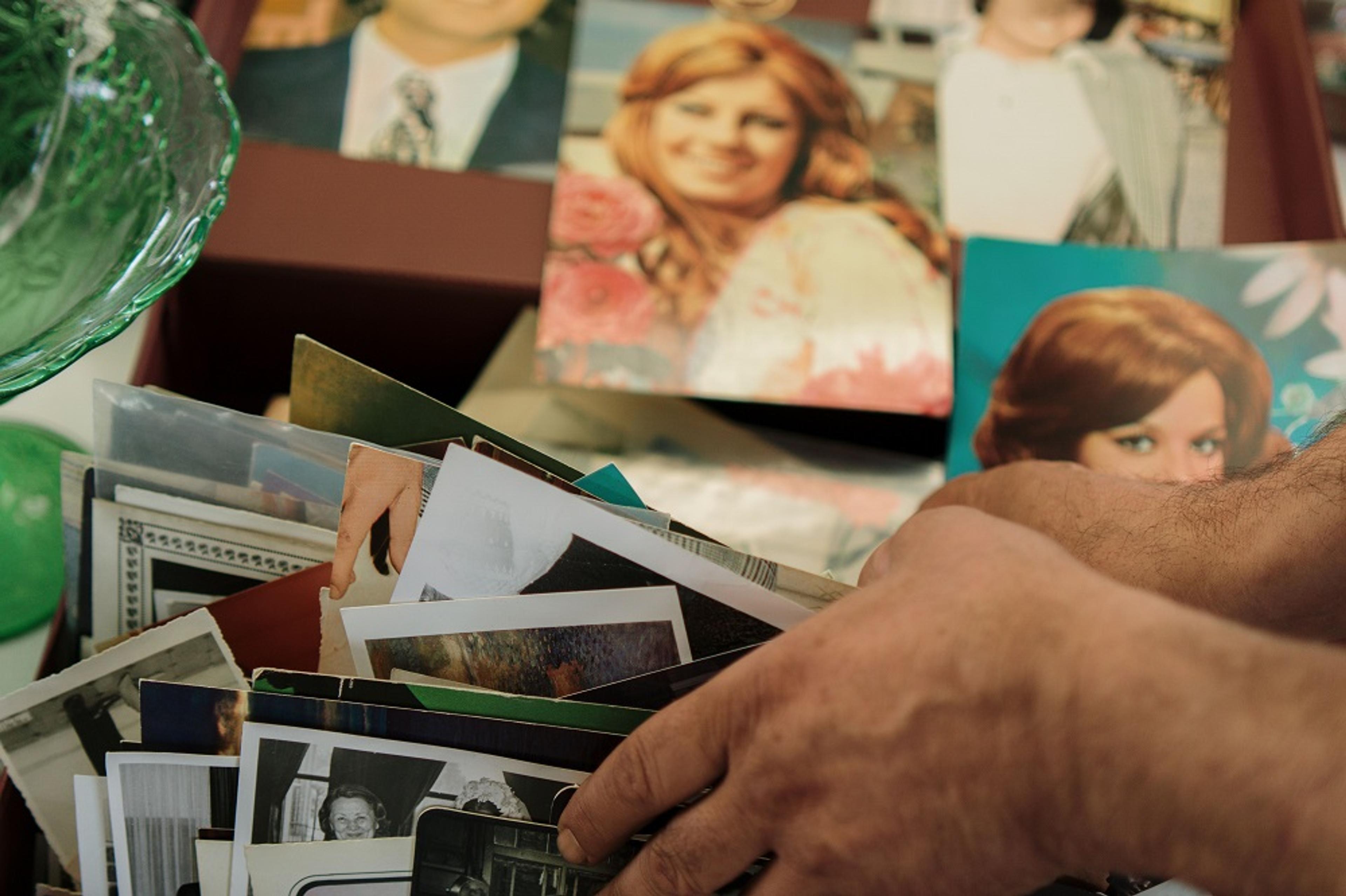
You do not need hundreds of photos to create a meaningful memoir. The right photos, chosen carefully and placed thoughtfully, can make a finished book feel more personal, vivid, and lasting.
Here are six reasons why including photos in your memoir or life story book can make such a difference.
1. They give faces to the names in your story
Every family has names that appear again and again in stories. A parent. A grandparent. A childhood friend. A brother or sister. A teacher. A neighbor. A spouse. Someone who shaped your life in a way that still matters.
Words can explain who those people were, but photos help readers connect with them more quickly. A face, a smile, a uniform, a wedding portrait, or a candid family moment can make someone feel real to a reader who never had the chance to meet them.
This is especially important for younger family members. A grandchild may not know what their great-grandmother looked like as a young woman, or what their grandfather looked like before he became Grandpa.
Photos help bridge that gap. They remind readers that family history is not abstract. It is made up of real people, living real lives.
2. They preserve the world around the memories
A good memoir captures what happened, but photos often preserve details we might never think to write down.
They show the house someone grew up in. The car parked outside. The clothes people wore. The hairstyle of the time. The furniture in the living room. The street, the garden, the holiday beach, the old shopfront, the school uniform, the wedding flowers.
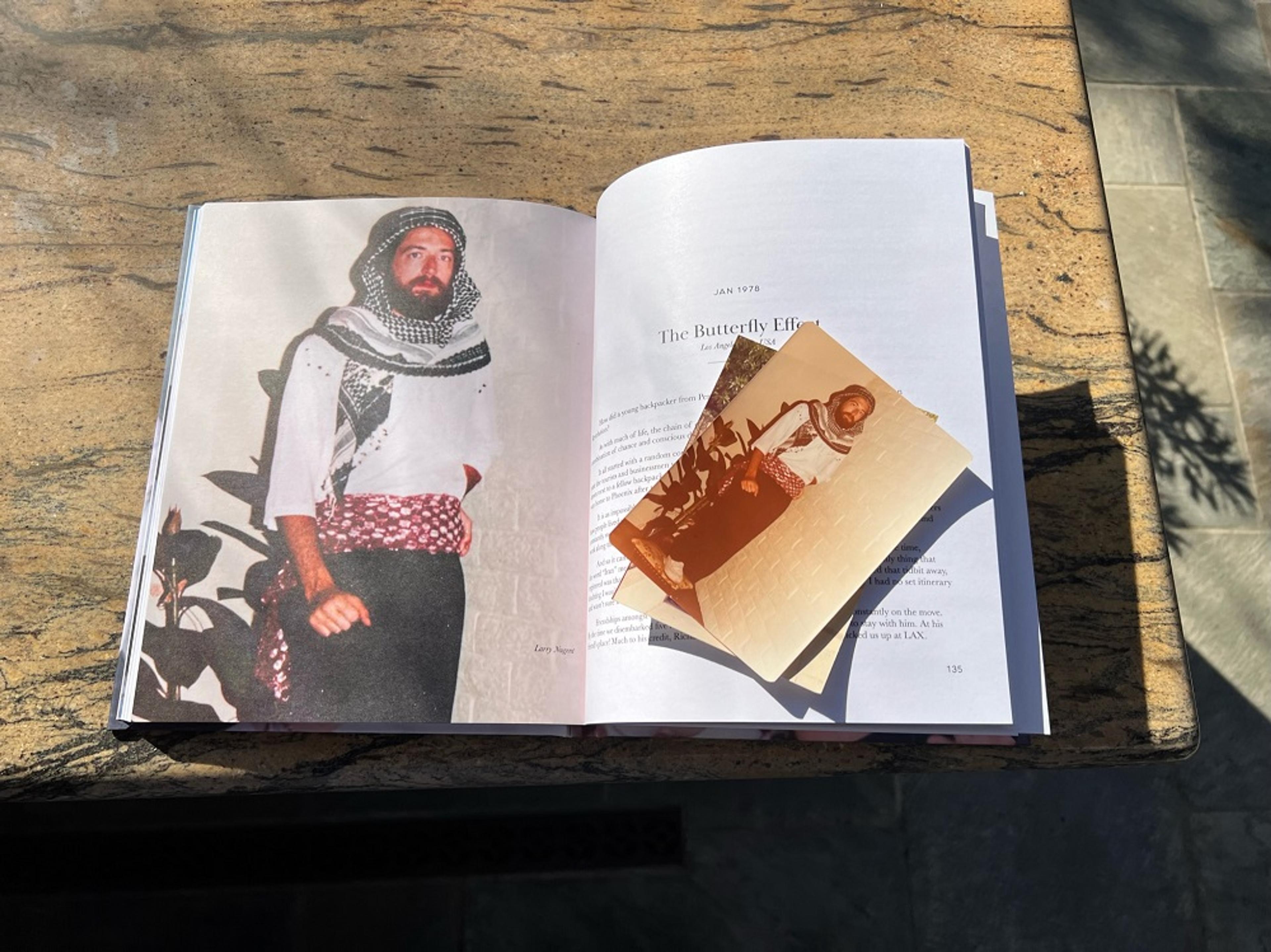
These small details can become surprisingly meaningful later.
A photograph might show a family home that no longer exists. A workplace that shaped someone’s life. A military uniform. A handwritten note. A favorite chair. A Christmas table. A group of cousins standing together before life took everyone in different directions.
These details help readers picture the world the story came from. They show not just what happened, but what life looked and felt like at the time.
3. They help future generations feel closer to the past
One of the main reasons people create a memoir or life story book is to pass something on.
They want children, grandchildren, nieces, nephews, or future family members to know where they came from. They want them to understand the people, places, choices, and experiences that shaped the family. These photographs, memories, and traditions also become part of the family legacy you leave for future generations.
Photos make that easier. A written story about a childhood home becomes more powerful when the reader can see the house. A chapter about military service becomes more vivid with a photograph in uniform. A memory of a wedding, journey, friendship, or family tradition feels more immediate when there is an image beside it.
Photos give younger readers a way into the story, especially if they are reading about people or places from before their own lifetime. They make the past feel closer.
4. They can unlock stories you had forgotten
Photos are not only useful after the story has been written. They can also help during the writing process.
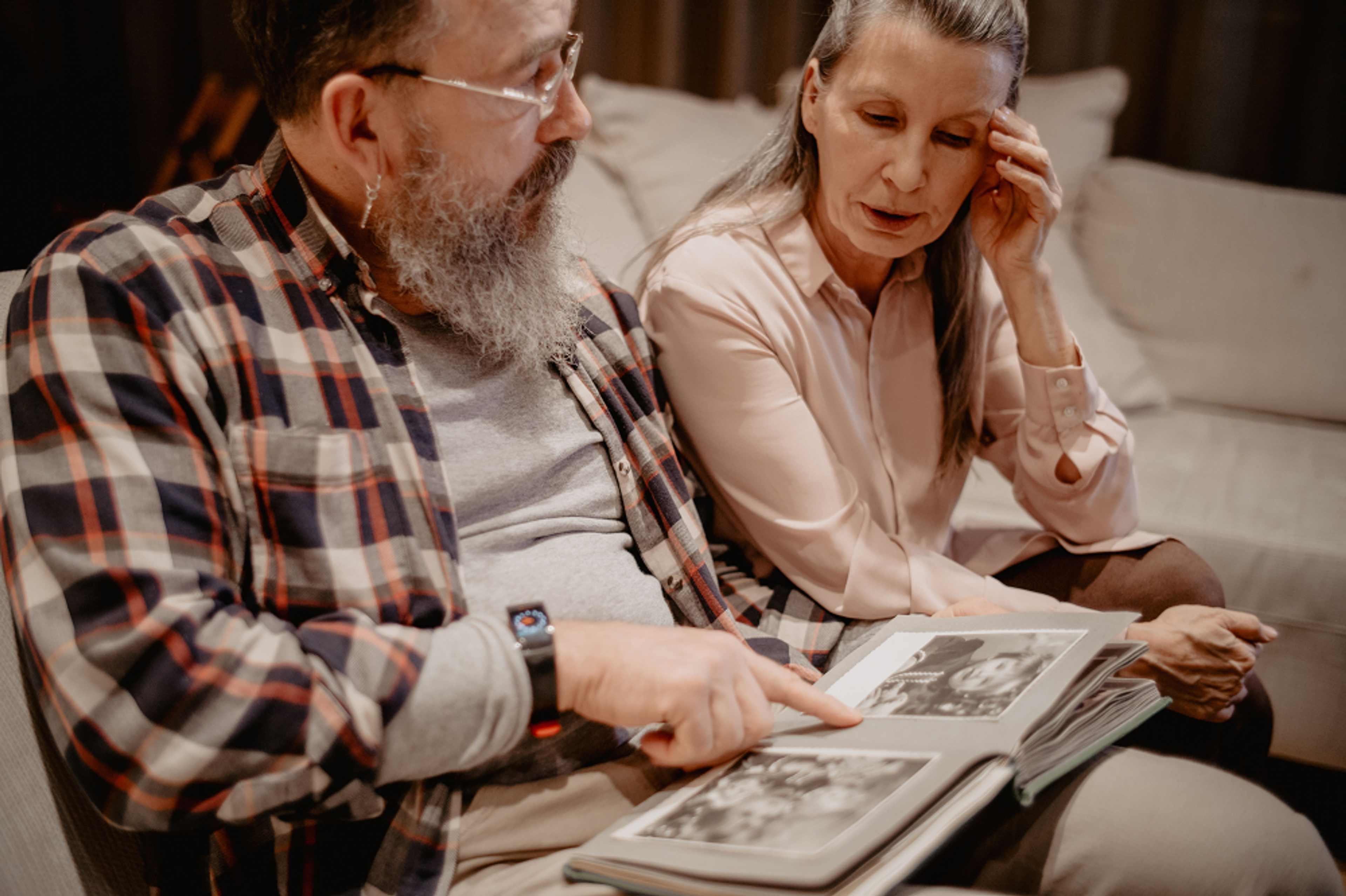
Looking through old photographs often brings back memories that might not appear on their own. One image can remind someone of a trip, a song, a family joke, a neighbor’s name, a difficult season, or a moment they had not thought about for years.
Sometimes the story behind the photo becomes more important than the photo itself.
A simple picture of a kitchen might lead to memories of Sunday lunches, family arguments, birthday cakes, or conversations at the table. A photograph from a holiday might bring back the journey, the weather, the people who were there, and what life felt like at that time.
For anyone struggling to begin their memoir, photos can be a gentle starting point.
Instead of asking:
“What should I write about?”
You can ask:
“What was happening in this photo?”
That one question can open the door to a much larger story.
If an old photograph brings back a memory, our guide to how to bring a memory to life can help you turn that moment into a fuller story.
5. They show how a life changes over time
A memoir often covers many different stages of life. Childhood. School years. First jobs. Marriage. Parenthood. Travel. Work. Loss. Later family life. Retirement. New beginnings.
Photos can help readers move through those stages more naturally.
A childhood portrait, wedding photograph, work image, travel photo, or family gathering can quietly show where the story has reached. Readers can see change over time: the places, faces, clothes, homes, and relationships that shaped each chapter.
This can be especially helpful in a life story book that covers many years. Photos give the story visual markers. They help the reader understand not only what happened, but where it sits in the wider shape of a life.
6. They make the finished book easier to read and revisit
A memoir does not need to look like a novel. For a private family book, photos can create rhythm and breathing space. They give readers natural pauses between sections. They break up longer passages of text. They make the book feel more inviting to pick up, browse, and return to.
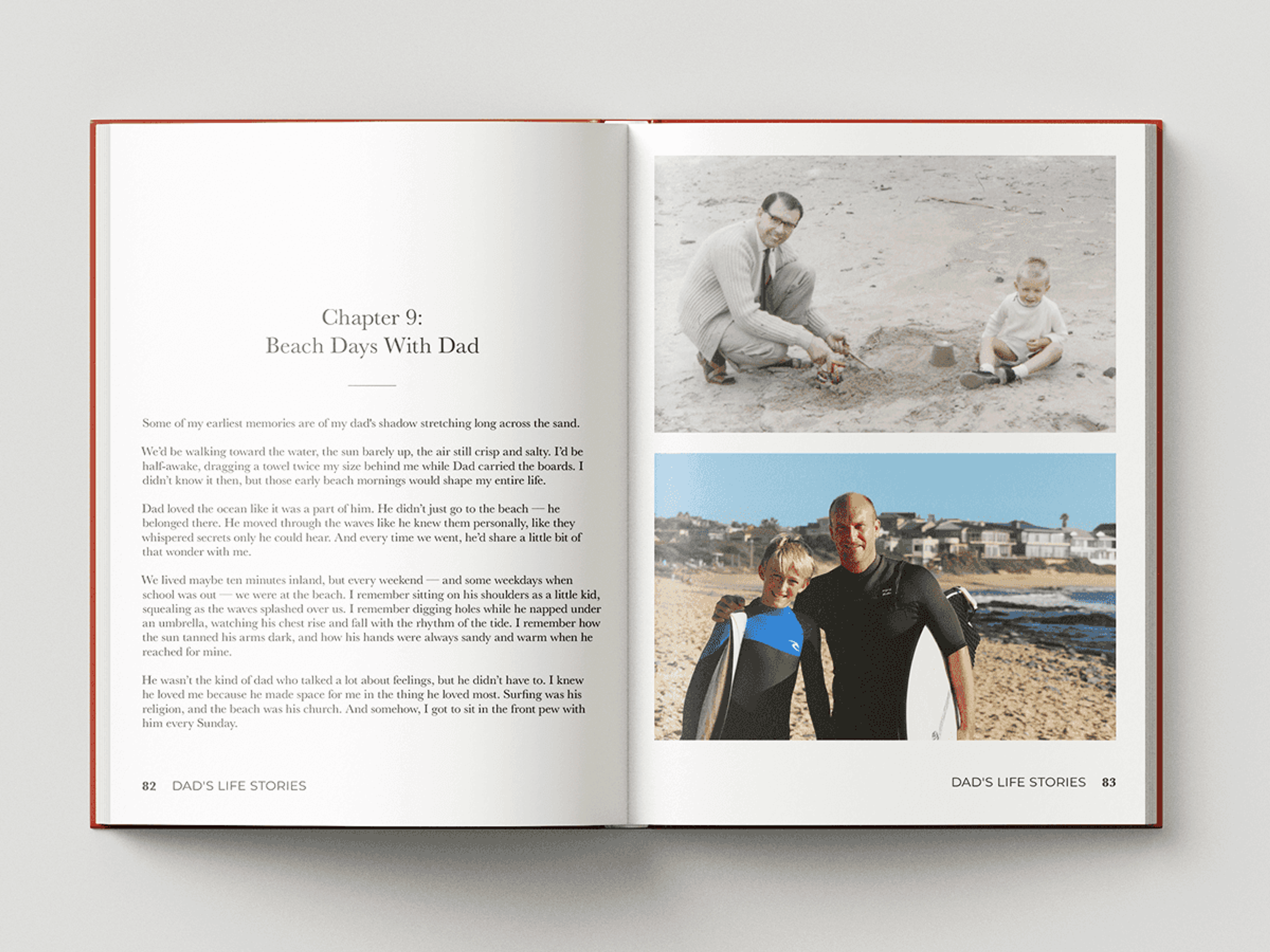
This matters because many family members will not read the book in one sitting. They may open it to a particular chapter. They may look through the photos first. They may read a story, pause at an image, and then ask a question about it later.
Photos make the book easier to revisit in small moments. A well-designed memoir uses photos to support the story, not distract from it. The best images are placed where they add meaning: near the people, places, or memories they relate to.
That is what makes the book feel considered rather than simply filled with pictures.
Using photos well matters too
Photos are most powerful when they are chosen carefully, captioned clearly, and placed where they support the story.
A memoir does not need every photo you can find. It needs the right photos: the ones that introduce important people, show meaningful places, preserve family details, or help readers understand a particular moment.
Captions matter too. A simple name, date, place, or short note can stop a photo losing its meaning over time.
Old or faded photos can often still be used, especially if they are meaningful. In many cases, the most important photo is not the sharpest or most professional one. It is the one that helps tell the story.
For more practical guidance, read our guide on adding photos to your memoir or life story book.
How My Stories Matter can help
At My Stories Matter, we help people turn memories, written material, recordings, photos, and family stories into professionally designed memoirs and life story books. Photos are an important part of that process.
You can send us old family photographs, scanned images, digital files, documents, letters, captions, or other material you would like to include. Depending on your project, our team can help choose and organize photos, prepare them for print, place them thoughtfully in the book, and design the pages so the images and stories work together.
Where possible, we can also help restore or enhance old photos. That might mean improving faded images, tidying up marks or damage, or preparing older photographs so they look clearer in the finished book.
We can help you decide what belongs in the book, how photos should be presented, and where they can add the most meaning. The right photos can make that story feel even more personal, vivid, and lasting.


