
How to write a memoir: The complete guide

Everyone has stories worth telling. Whether you want to preserve your memories for family, record an important period of your life, or leave a lasting legacy for future generations, writing a memoir can be one of the most rewarding projects you'll ever undertake.

The good news is that you don't need to be a professional writer, celebrity, or public figure to write a memoir. Some of the most meaningful memoirs are written by ordinary people sharing their experiences, lessons, relationships, and memories.
This guide will walk you through everything you need to know about writing a memoir. We've also included links to more detailed articles that explore each topic in greater depth.
What is a memoir?
A memoir is a collection of stories, memories, and reflections from your life. Unlike an autobiography, which attempts to tell the story of an entire life from birth onwards, a memoir often focuses on particular experiences, relationships, themes, or periods of life.
A memoir allows you to explore the moments that mattered most rather than documenting every event that ever happened. Many people write memoirs for their children, grandchildren, and future generations. Others write them to reflect on important life lessons, preserve family history, or make sense of significant experiences.
Memoir vs autobiography
Many people use the terms memoir and autobiography interchangeably, but they are not exactly the same thing.
An autobiography usually follows a person's entire life story in chronological order. A memoir is often more selective, focusing on particular memories, themes, relationships, or experiences.

For example, an autobiography may cover every major stage of your life, while a memoir might focus specifically on your military service, childhood, family history, career, travels, or life lessons.
Further reading: Memoir vs. autobiography: Understanding the key differences
What should you include in a memoir?
One of the biggest questions memoir writers ask is: "What should I write about?"
The answer depends on your goals. Some memoirs focus on family history, while others centre around a particular life experience, relationship, challenge, or lesson.
You don't need to include everything. In fact, memoirs are often strongest when they focus on the stories and memories that had the greatest impact on your life.
Further reading: What should you include in a memoir? Real examples and ideas
How to start writing your memoir
Getting started is often the hardest part. Many people feel overwhelmed because they think they need to write an entire book from the beginning.
In reality, memoir writing usually starts with a single story, memory, or moment. You don't need a perfect outline. You don't need to remember everything. You simply need to begin.
Further reading: How to start writing your memoir (Even if you don't know where to begin)
How to remember your stories
One of the most common concerns people have is that they can't remember enough.
The truth is that memories are often triggered by prompts, photographs, conversations, music, places, and objects. Once you begin reflecting, you may be surprised by how many stories resurface.
Many memoir writers discover that one memory naturally leads to another.
Further reading: 50 questions to help you remember your life story
How to bring memories to life
A great memoir does more than describe what happened. The most engaging memoirs help readers experience the memory alongside you. By including details, emotions, conversations, and reflections, you can transform simple recollections into compelling stories.

The goal isn't perfect historical accuracy. It's helping readers understand what the experience meant to you.
Further reading: How to bring a memory to life
Organising your memoir
As your collection of stories grows, organisation becomes increasingly important. Some memoirs follow a chronological timeline. Others are organised around themes such as family, career, travel, military service, relationships, or personal growth.
There is no single correct structure. The best approach depends on the story you're trying to tell.
Further reading: How to Structure a Memoir (coming soon)
Should you hire a memoir writing service?
Not everyone wants to write a memoir entirely on their own. Some people prefer professional assistance with interviews, editing, organisation, ghostwriting, or turning recorded memories into a polished manuscript.
The right approach depends on your goals, budget, and how involved you want to be in the writing process.
Further reading: Memoir writing services: What are your options?
How long should a memoir be?
Many aspiring memoir writers worry about length.
The truth is that memoirs can range from a handful of stories for family members to full-length books. The ideal length depends on your purpose, audience, and the scope of the story you're telling.
What matters most is preserving the stories that matter to you, not hitting a particular word count.
Further reading: How Long Should a Memoir Be? (coming soon)
Common memoir writing mistakes
Writing a memoir doesn't have to be complicated, but there are a few common mistakes worth avoiding.

Many first-time writers try to tell their entire life story instead of focusing on the experiences that matter most. It's also easy to focus too much on facts and not enough on reflection. Readers aren't just interested in what happened, they want to understand what those experiences meant to you.
The good news is that memoir writing gets easier once you start. Focus on one story at a time, and don't worry about creating a perfect first draft.
Further reading: Common memoir writing mistakes
Turning your memoir into a life story book
Many people don't just want to write their memoir, they want to preserve it in a format that can be shared with family and future generations.
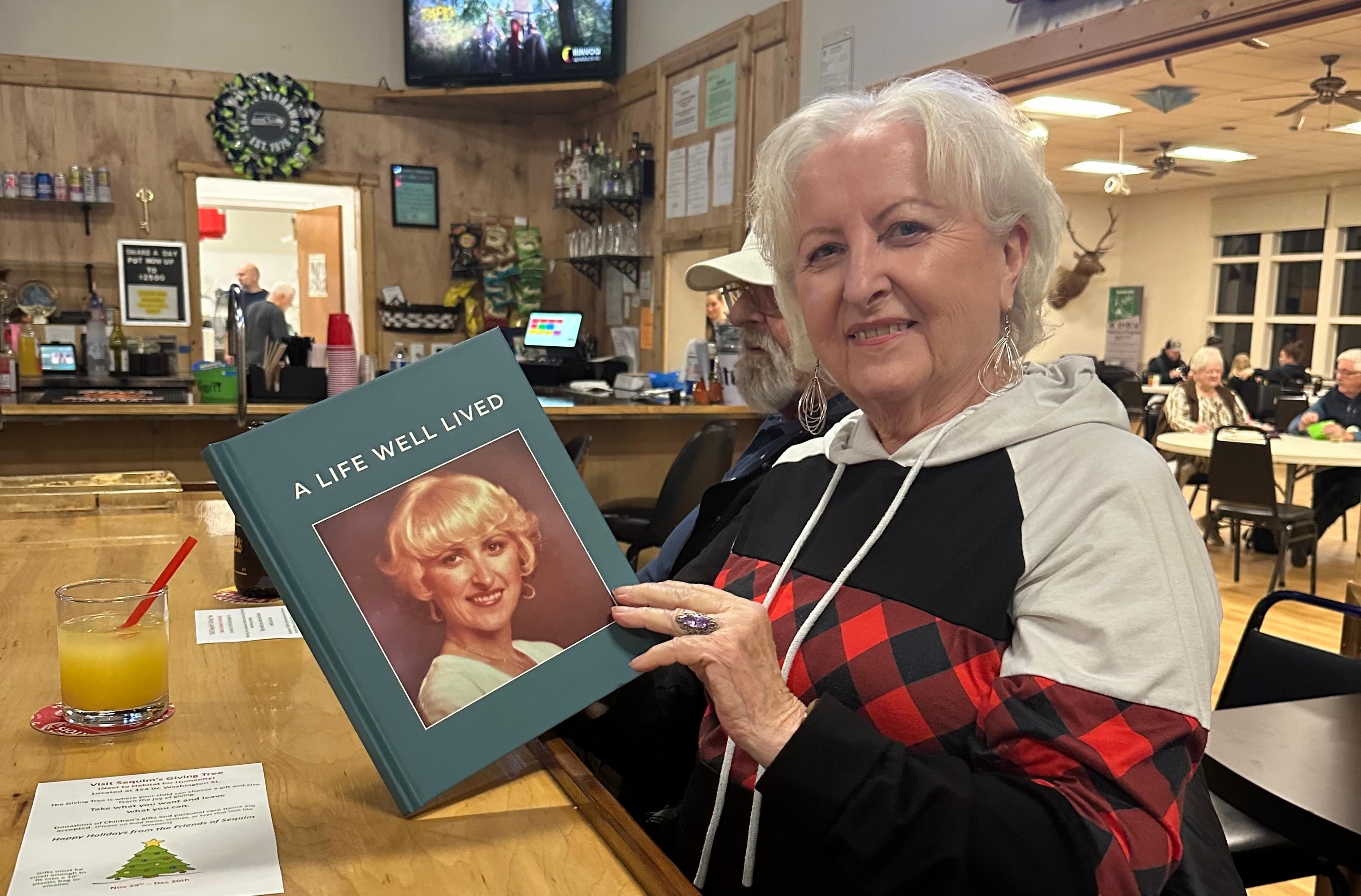
A life story book combines stories, photographs, memories, and personal reflections into a lasting keepsake. It can become a treasured family heirloom that preserves your experiences long after you're gone.
Further reading: How to create a life story book
Final thoughts
Writing a memoir isn't about creating a perfect historical record. It's about preserving the stories, experiences, lessons, and memories that have shaped your life.
Start small. Begin with a single story. Follow the memories wherever they lead. Over time, those individual stories can become something much bigger: a lasting record of your life and legacy for future generations.
And remember, you don't have to do it alone. Whether you write your memoir yourself, collaborate with family members, or work with a professional, the most important thing is simply to begin.
How My Stories Matter can help
Writing a memoir can feel like a daunting project, especially if you're not a writer, don't know where to start, or feel overwhelmed by the number of stories you want to tell.
That's why My Stories Matter was created. If you’d like help turning your life story into a finished book, we’re here to guide you through the process, step by step.
At My Stories Matter, you’ll always speak to a real person who takes the time to understand your story and help bring it together in a way that feels right for you.


