
Aphantasia: What it is, a simple test and surprising benefits

Imagine someone asks you to close your eyes and picture an apple. Can you see it clearly? Is it red or green? Can you rotate it in your mind?
For most people, the answer is yes.
For a small percentage of the population, however, there is nothing to see at all.
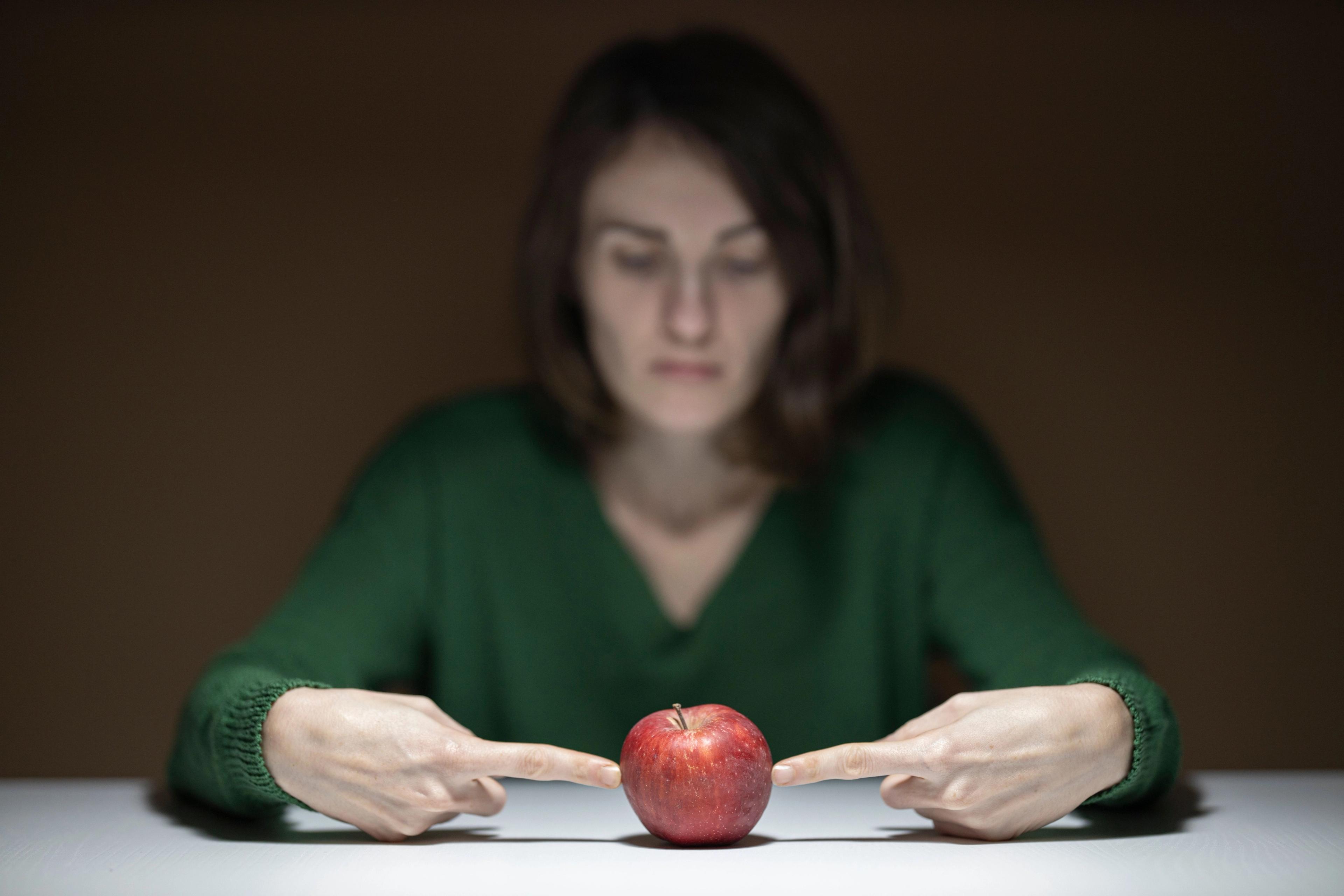
That was my experience when I first learned about aphantasia. What began as curiosity quickly turned into surprise as I discovered that what I thought was a figure of speech, "picture it in your mind", was something most people could literally do.
If you're wondering whether you might have aphantasia, here's what it is, how to test for it, and some of the surprising ways it can affect everyday life.
What is aphantasia?
Aphantasia is a cognitive trait that affects a person's ability to create mental images.
People with aphantasia cannot voluntarily visualize images in their mind's eye. Ask them to picture an apple, a beach, or the face of a loved one, and they may see nothing at all.
Aphantasia is estimated to affect around 3-4% of the population and exists on a spectrum. Some people have no visual imagery whatsoever, while others experience only faint or incomplete mental images.
The term "aphantasia" was popularised by neurologist Dr Adam Zeman in 2015, although the phenomenon itself was first documented by Francis Galton in the 1880s.
A simple aphantasia test
Test 1: The apple test
Close your eyes and imagine an apple.
Can you see its colour, shape, texture, or shine?
Or do you simply know what an apple looks like without actually seeing an image?
People with aphantasia often report that they know the characteristics of an apple but cannot visualize it.
Test 2: Picture a loved one
Close your eyes and try to picture the face of someone close to you.
Can you see their features, expression, or smile?
For many people, this image appears naturally. For people with aphantasia, there may be nothing but darkness.
Test 3: Recall a familiar room
Think about a room you know well.
Can you mentally walk through it and see where objects are placed?
Or are you relying on facts and knowledge rather than visual images?
If you consistently struggle with these exercises, you may have some degree of aphantasia.
Aphantasia and memory
One of the most interesting aspects of aphantasia is its relationship with memory.
Many people use visual imagery to help recall experiences from their past. Because people with aphantasia cannot create these mental images, recalling memories can feel different.
This is particularly noticeable with autobiographical memories, memories of our own lives and experiences.
For example, I know many facts about my childhood, family, and experiences, but I cannot replay them visually in my mind.
This doesn't mean people with aphantasia have poor memories. Instead, they often rely more heavily on concepts, facts, language, and other memory strategies.
If you find it difficult to access memories from your past, our guide to how to relive memories may help.
Aphantasia and learning
One common question is whether aphantasia creates learning difficulties.
The answer is generally no.

Research suggests that people with aphantasia often develop alternative strategies for learning and remembering information. Rather than relying on mental imagery, they may use logic, verbal reasoning, written notes, diagrams, photographs, or repetition.
Looking back, this explains a lot for me.
I've always preferred visual aids, diagrams, prototypes, and photographs when learning something new. Techniques such as the "memory palace" never worked for me because they rely heavily on visualization.
For memoir writing, photographs and concrete details can be especially helpful when learning how to bring a memory to life.
What does aphantasia feel like?
One of the reasons many people go decades without realising they have aphantasia is that they assume everyone experiences the world the same way.
That's exactly what happened to me.
When someone said, "Picture an apple in your head," I thought they were speaking metaphorically. I had no idea that most people could literally create an image.
I was particularly surprised to learn that many people can visualize scenes while reading novels. As a teenager, I loved books such as The Lord of the Rings, but I never saw Middle-earth in my mind. I understood the descriptions conceptually rather than visually.
Another surprise was discovering that many people can mentally replay the faces of loved ones. While I know exactly what my mother looked like, I cannot see her face in my mind.
Aphantasia isn't just visual

Although aphantasia is most commonly discussed as a visual phenomenon, some people experience reduced mental imagery across multiple senses.
For example, some people cannot imagine sounds, smells, tastes, or physical sensations either.
I fall into that category.
I can't hear a loved one's voice in my head, imagine the smell of coffee, or mentally replay music. Instead, I think largely in concepts and facts rather than sensory experiences.
Surprising benefits of aphantasia
While many people initially view aphantasia as a disadvantage, researchers and people with aphantasia have identified several potential benefits.
Less troubled by disturbing mental images
People with aphantasia may be less likely to experience vivid visual flashbacks or intrusive imagery following traumatic events.
Strong analytical thinking
Many people with aphantasia rely heavily on logic, concepts, and analytical thinking rather than mental imagery.
Reduced distraction from daydreaming
Because there are fewer internally generated visual experiences competing for attention, some people find it easier to stay focused on tasks that require concentration.
Less affected by frightening imagery
Scary stories, horror movies, and disturbing descriptions can be less impactful when they cannot be vividly visualized.
Creativity is still possible
One of the biggest misconceptions about aphantasia is that it limits creativity.
Research suggests this is not the case. Many artists, writers, designers, and innovators have aphantasia and develop creative ideas using non-visual thinking processes.
Living with aphantasia
Aphantasia is not an illness, disease, or disorder. It is simply one example of the different ways human brains process information.
Most people with aphantasia live completely normal lives and often develop effective strategies without even realizing they are doing so.
Discovering that I have aphantasia answered a number of questions about how I think, learn, and remember. It hasn't changed who I am, but it has helped me better understand myself.
Final thoughts
Whether you have aphantasia or not, memories play an important role in shaping who we are.
People with aphantasia may experience memories differently, but those memories are no less meaningful.
In fact, discovering aphantasia reinforced something I've always believed: memories are worth preserving. The stories we record today can help us reconnect with important experiences, share them with others, and pass them on to future generations.
If you think you may have aphantasia, try the tests above on friends and family. You may be surprised by how differently people experience the world inside their own minds.


