
Why you should include life lessons in your memoir

A memoir is not just a record of what happened in your life. It is also a way to share what those experiences taught you.
Your family may want to know where you lived, what work you did, who you loved, and what moments shaped you. But they may also want to understand what you learned along the way: what mattered most, what you would do again, what you might do differently, and what values guided your life.

That is why life lessons can be such an important part of a memoir or life story book. They help turn a collection of memories into something more meaningful for the people who will read it.
But many people are not sure where to begin. Life lessons can feel big, abstract, or difficult to put into words.
The good news is that you do not need to write a lecture. You simply need to tell the stories behind the lessons.
Why life lessons matter
Life lessons are often the things families remember most.
A grandchild may not remember every detail of where you worked or every place you lived. But they may remember the story of how you kept going through a difficult time, why you treated people with kindness, what you learned from failure, or why family mattered so much to you.
These lessons can offer guidance, comfort, perspective, and connection. They can also show younger family members that challenges, mistakes, uncertainty, and change are all part of a full life.
Sometimes, the most valuable thing you can pass down is not advice. It is honesty.
Stories are more powerful than advice alone
It is easy to write a sentence such as:
Work hard and never give up.
That may be true, but it becomes much more meaningful when it is connected to a real experience.

You might write about a time when you lost a job, started over, built a business, supported a family, learned a trade, or kept going when life was difficult. The lesson becomes stronger because the reader can see where it came from.
Instead of simply saying:
Family is important.
You might tell the story of a parent who sacrificed for you, a sibling who stood by you, or a tradition that brought everyone together.
A story gives the lesson weight. It makes it personal. It helps your family understand not just what you believe, but why you believe it.
If you’re still deciding which stories matter most, our guide to what to include in your memoir can help you choose what belongs in your book.
What kinds of life lessons can you include?
There is no fixed list of lessons every memoir should include. Your life lessons should come from your own experiences, values, mistakes, relationships, and turning points.
You might write about lessons connected to:
- Hard work and perseverance
- Family and friendship
- Marriage and relationships
- Parenting
- Faith or spirituality
- Education and lifelong learning
- Money and responsibility
- Health and well-being
- Honesty and integrity
- Forgiveness
- Grief and loss
- Courage and resilience
- Giving back
- Staying true to your values
You do not need to cover every theme. Your memoir will usually be stronger if you focus on the lessons that feel most personal to you.
Ask yourself: what do I most want my children, grandchildren, or loved ones to understand?
Start with moments, not morals
If you are struggling to write about life lessons, do not begin with the lesson itself. Begin with a moment.
Think about a time when you learned something important. It might have been joyful, painful, surprising, funny, embarrassing, or difficult.
You could start with questions like:
- When did I learn the value of hard work?
- Who taught me how to treat people?
- What mistake changed the way I saw life?
- What difficult season shaped me?
- What am I proud of overcoming?
- What did my parents or grandparents teach me?
- What lesson took me years to learn?
Once you have the story, the lesson will usually become clearer.
A story about your first job may become a lesson about responsibility. A story about moving to a new place may become a lesson about courage. A story about caring for a loved one may become a lesson about patience, devotion, or love.
If you need more prompts, these questions to help you remember your life story can help you uncover meaningful moments.
Be honest about mistakes and challenges
Many people feel pressure to present a perfect version of their life.
But life lessons often come from the difficult parts: the wrong turns, disappointments, regrets, risks, and moments when things did not go as planned.
You do not need to share anything you are uncomfortable including. Your memoir is yours to shape.
But if there are challenges that helped form your character, it may be worth writing about them honestly. You might write about a decision you would make differently now, a time when you had to start again, a relationship that taught you something, or a moment when you learned what really mattered.
These stories can be deeply meaningful for family members. They show that wisdom is not something people are born with. It is something learned through living.
Include the values behind the stories
A memoir does not need to be preachy to pass down values.
Often, your values will appear naturally through the stories you choose to tell.
If you write about caring for your parents, your family may see the value you place on loyalty and responsibility. If you write about building a home, they may see your patience and determination. If you write about friendship, they may see what kindness and trust meant to you.
Still, it can be helpful to name the lesson gently when it feels right.
You might write:
Looking back, I realize that experience taught me to be patient. At the time, I only wanted things to move faster. But I learned that some of the most important things in life cannot be rushed.
That kind of reflection helps the reader understand what the story means to you.
Think about who you are writing for
Passing down life lessons becomes easier when you imagine the person who may one day read them.

You might be writing for your children, grandchildren, a spouse, a niece or nephew, or future family members you may never meet.
What would you want them to know when they face a hard decision? What would you want them to understand about love, work, family, aging, faith, courage, or happiness?
You do not need to have all the answers. Sometimes the most helpful thing is simply to share what life taught you.
Your family may not follow every piece of advice. But they will have your voice, your perspective, and your stories to return to.
Turning life lessons into a book
Writing down your life lessons is a wonderful first step. But many people want those stories to become something more lasting than a file on a computer or a folder of notes.
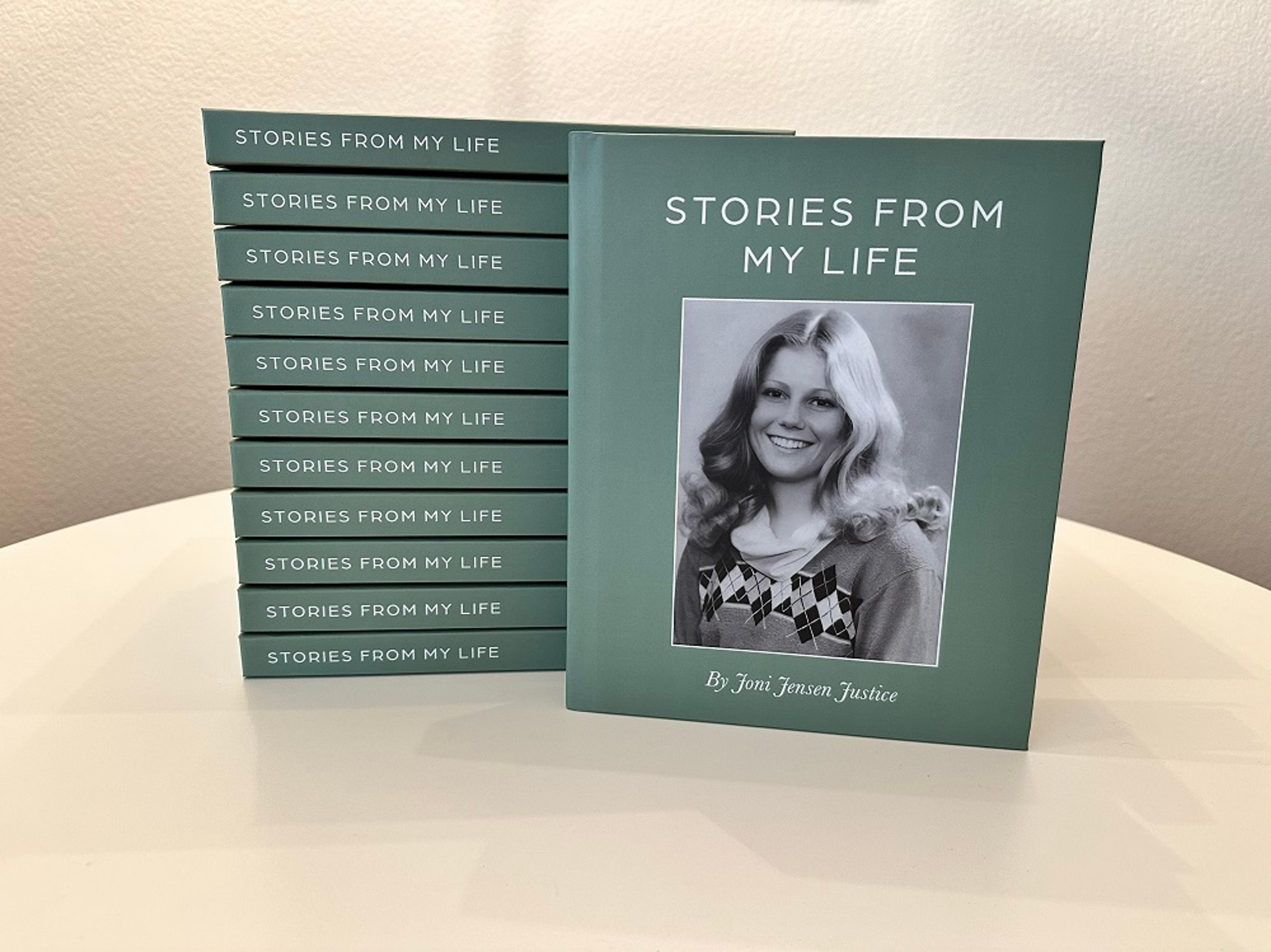
A life story book can bring your memories, lessons, photos, and reflections together in one place.
It can become a gift for children and grandchildren. It can preserve family history. It can help future generations understand where they came from and what mattered to the people before them.
The finished book does not need to include every memory or every piece of advice. It simply needs to capture the stories and lessons that feel most important to preserve.
How My Stories Matter can help
At My Stories Matter, we help people turn memories, written material, photos, and life lessons into beautifully designed memoirs and life story books.
You do not need to be a professional writer. You do not need to know exactly where to begin. And you do not need to figure out the whole process alone.
Our team can help you shape your stories, organize your material, include meaningful photos, and create a finished hardcover book your family can treasure.
Whether you already have stories written down or are just beginning to think about the lessons you want to pass on, we can help you preserve them in a way that feels personal, thoughtful, and lasting.


