
How to record your vacation stories

Some holidays stay with us for a lifetime. A family trip, a long-awaited adventure, a weekend away, or a once-in-a-lifetime journey can leave you with stories you’ll want to remember for years to come.
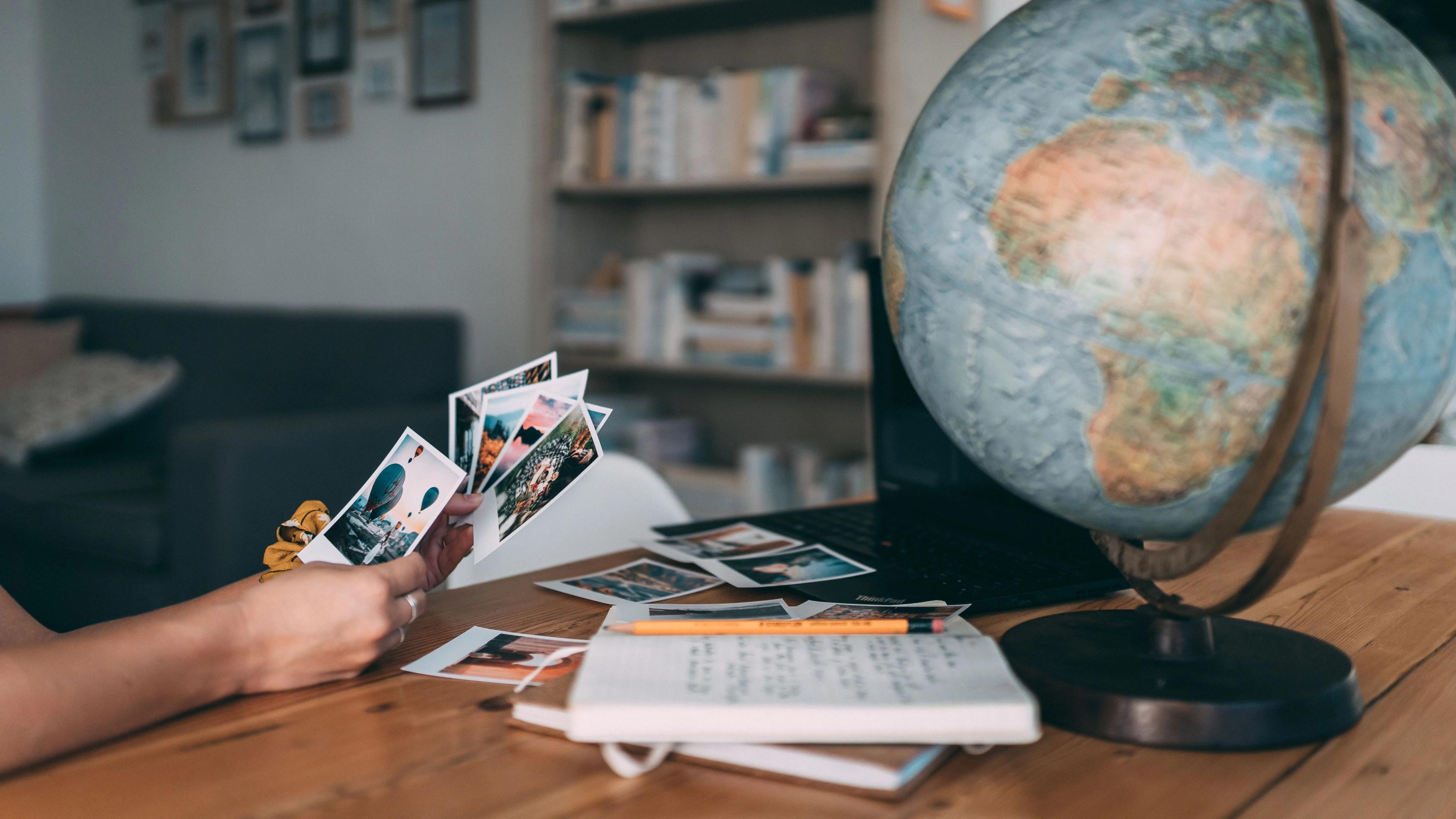
Photographs are wonderful reminders, but they rarely capture the full experience. They show where you went and who was there, but they don’t always capture how it felt, what made you laugh, what surprised you, or the little details that made the trip special.
That’s where recording your vacation stories can help. By writing down your memories, saving photographs, and capturing small details while they are still fresh, you can create a richer record of your travels to share with family and revisit in the future.
Here are some simple tips to help you record your vacation stories.
1. Start while the memories are fresh
The best time to record your vacation stories is as soon as possible. Small details fade quickly, even from the most memorable trips.
You may remember the place, but forget the conversation at dinner, the smell of the market, the unexpected detour, or the funny moment that made everyone laugh.
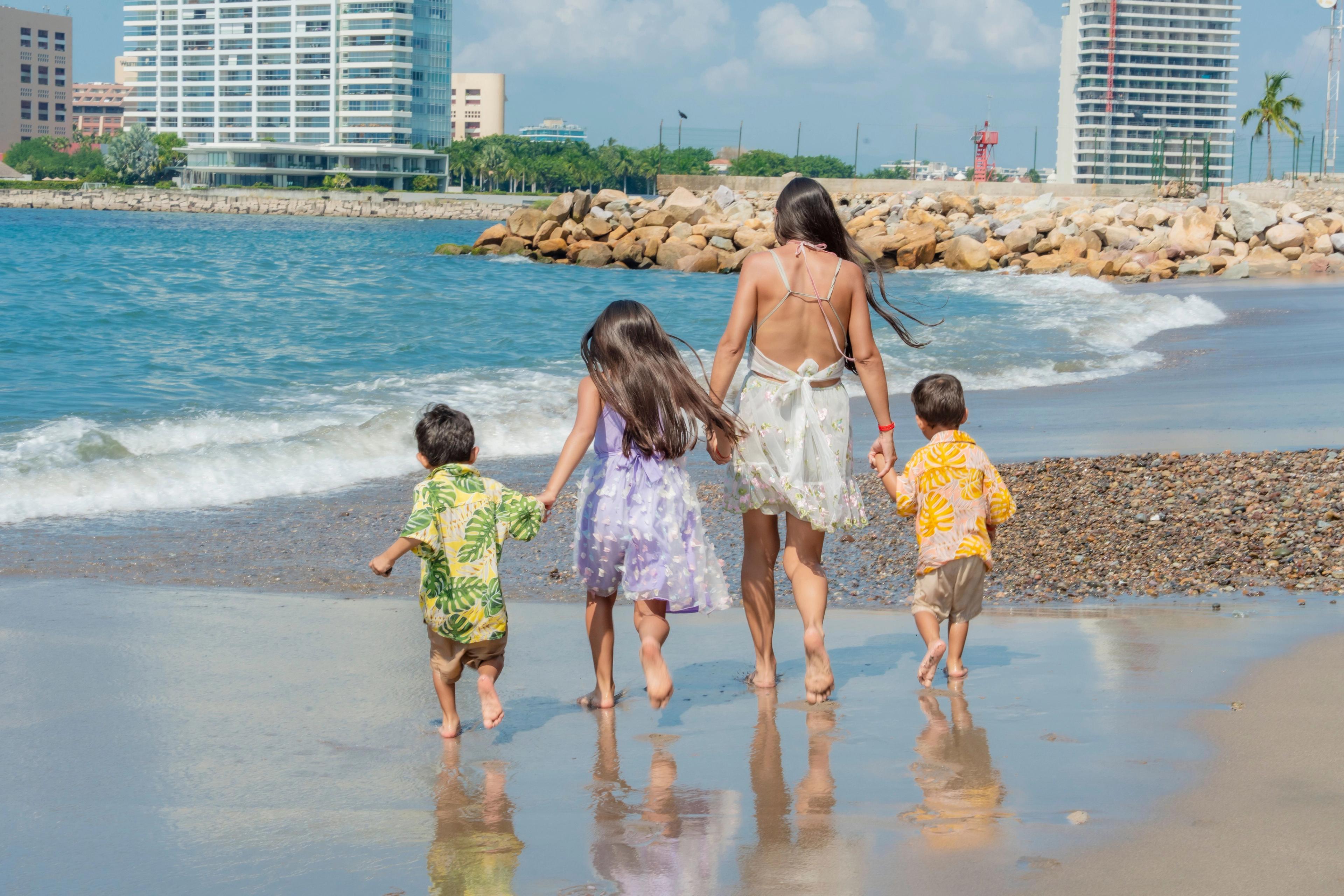
Try writing a few notes:
- During the trip
- On the journey home
- In the first few days after you return
You don’t need to write everything perfectly. A few quick notes can help you remember the story properly later.
2. Capture more than what happened
A good vacation story is about more than a list of places you visited. Instead of only recording where you went, try to capture what the experience meant.
Ask yourself:
- What surprised me?
- What made me laugh?
- What felt different from home?
- What was my favourite moment?
- Who was I with?
- What would I never want to forget?
These details help turn a travel memory into a story.
3. Use your senses
Travel memories are often strongly connected to the senses. Think about:
- The food you tasted
- The music you heard
- The views you saw
- The smells you noticed
- The weather
- The sounds of a city, beach, market, or countryside
Sensory details make memories feel vivid again when you read them years later. Sensory details are one of the simplest ways to bring memories to life when you write them down.

A photograph might show the view from a balcony. Your story can capture the warm evening air, the sound of people talking below, and the feeling of being completely away from everyday life.
4. Save photographs, tickets, and small keepsakes
Photographs are powerful memory triggers, but they are even more meaningful when paired with the story behind them.
You might save:
- Photographs
- Train tickets
- Museum passes
- Maps
- Postcards
- Restaurant menus
- Receipts from special places
- Notes from the trip
These small items can help you remember details that might otherwise disappear.
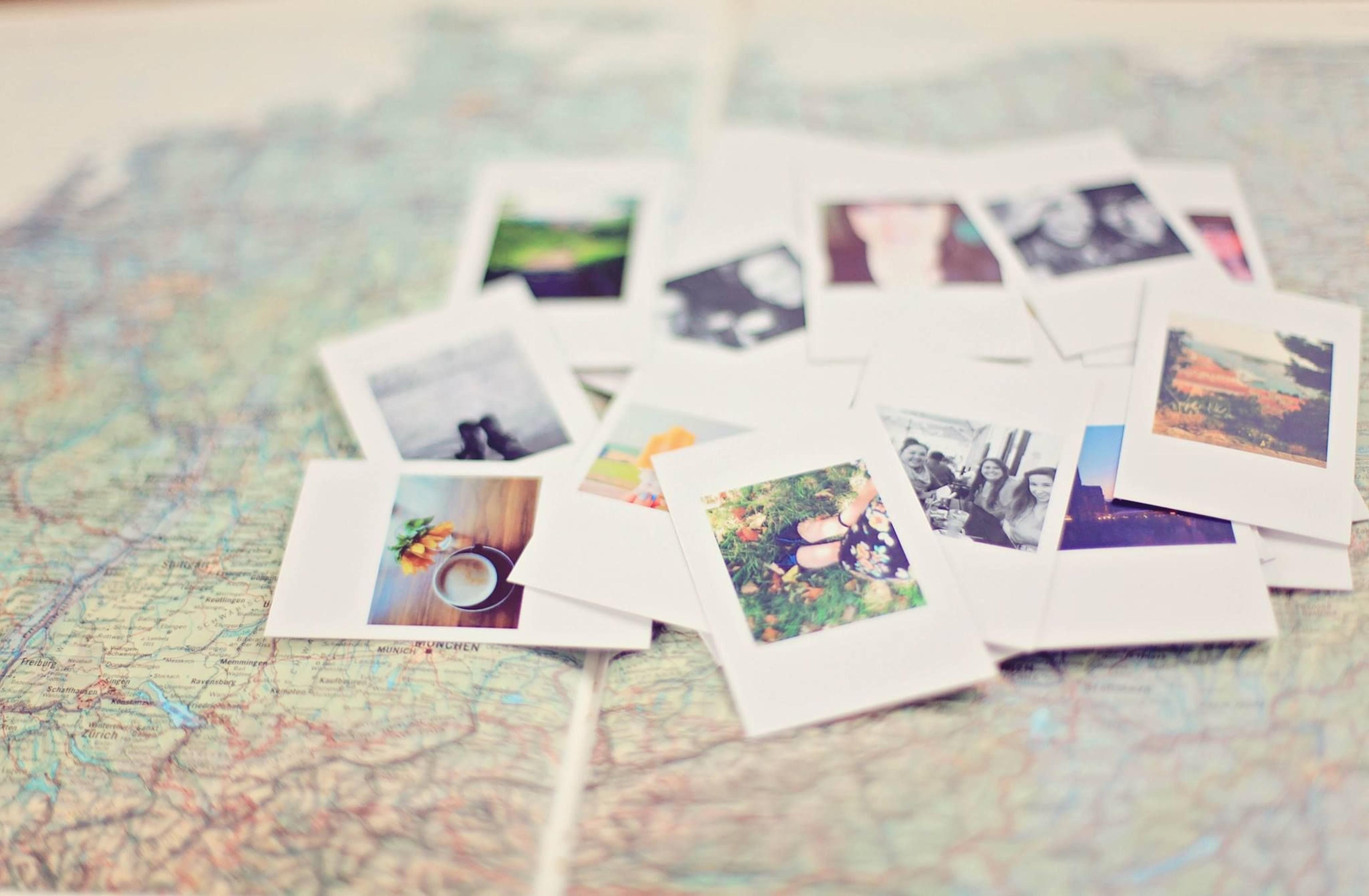
When adding photographs to your vacation story, include captions that explain what was happening, who was there, and why the moment mattered.
5. Record funny and unexpected moments
Some of the best travel stories come from things that did not go to plan. A missed train, a wrong turn, a rainy day, a language mix-up, or a meal that didn’t quite work out can become a favourite memory later.
At the time, these moments may feel inconvenient. Looking back, they often become the stories everyone remembers.
Make a note of the imperfect moments as well as the beautiful ones. They usually make the story more human.
6. Ask others what they remember
If you travelled with family or friends, ask them to share their version of the trip. Different people often remember different details.
One person might remember the food. Another might remember the hotel. Someone else might remember a conversation, joke, or moment you had forgotten entirely.
You could ask:
- What was your favourite part of the trip?
- What moment made you laugh?
- What surprised you?
- What do you think we’ll remember years from now?
Including several perspectives creates a fuller and more meaningful record. If you’re not sure what to ask, these questions to ask family members can help start the conversation.
7. Turn your memories into a travel chapter
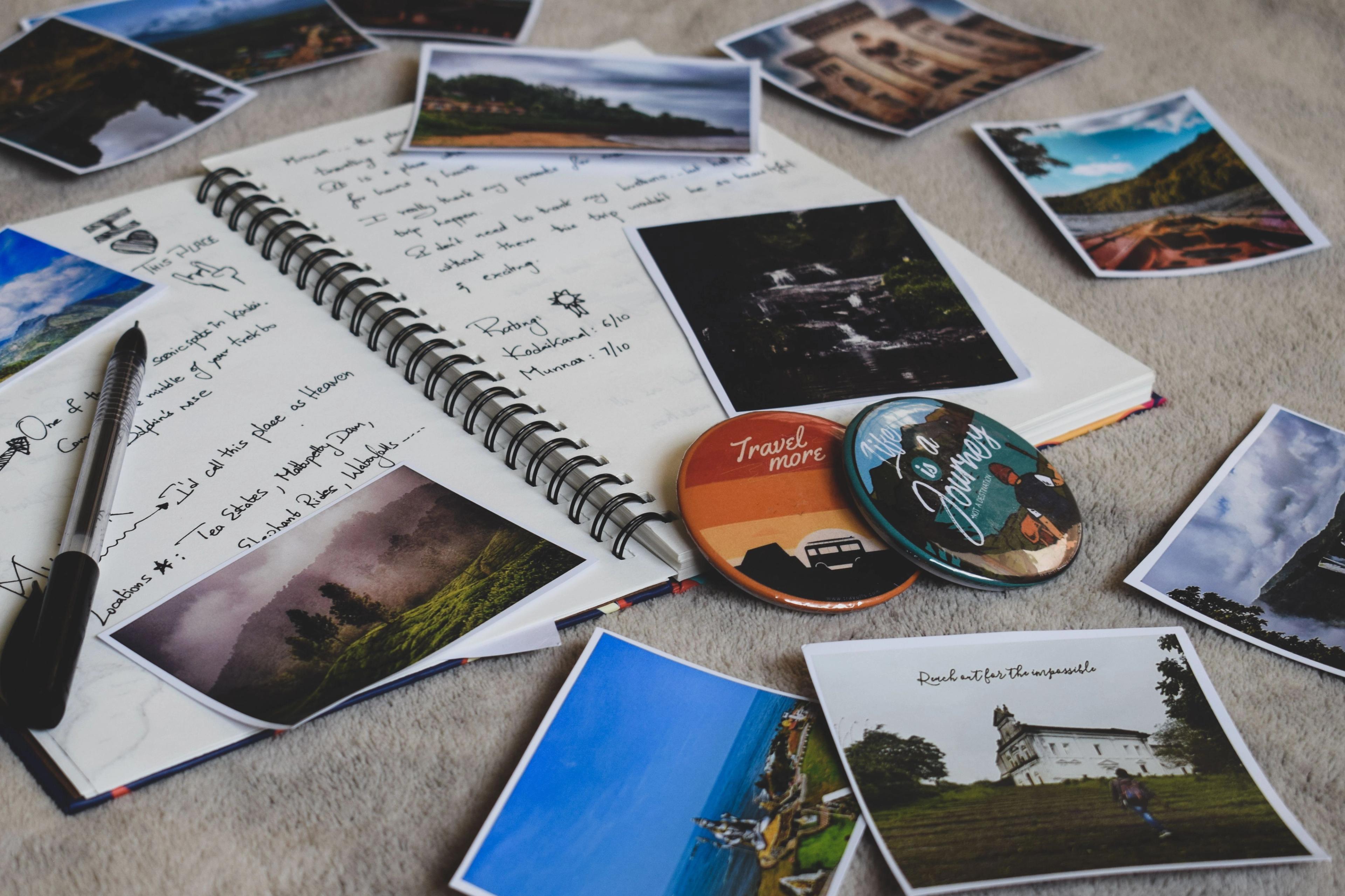
Vacation stories don’t have to stay as scattered notes and photographs.
You could turn them into:
- A travel journal
- A scrapbook
- A photo album with captions
- A family memory collection
- A chapter in your memoir or life story book
Travel often reveals something about who we are. It shows what we enjoy, who we spend time with, what we notice, and how we respond to new experiences.
That makes vacation stories a valuable part of any life story.
Final thoughts
Recording your vacation stories helps you preserve more than where you went. It captures the people, conversations, surprises, emotions, and little moments that made the trip meaningful.
The next time you travel, don’t rely on photographs alone. Write down what happened. Capture what it felt like. Ask others what they remember.
Years from now, those stories may become some of your favourite memories to revisit.
If you’d like help turning your memories into a life story book, My Stories Matter can help you bring your stories and photographs together in a finished book your family can treasure.


