
What is a family legacy? meaning, examples, and how to create one

A family legacy is the collection of stories, values, traditions, memories, and life lessons passed down from one generation to the next.
Some family legacies are tangible, such as photographs, recipes, letters, and treasured heirlooms. Others are less visible but equally important, including family traditions, beliefs, life lessons, and the stories that shape who we are.

At its heart, a family legacy helps answer three important questions:
- Where did we come from?
- What do we stand for?
- What do we want future generations to remember?
A strong family legacy creates a sense of belonging, strengthens family bonds, and helps preserve the experiences that might otherwise be lost with time.
Benefits of a family legacy
Connecting us to our past
Learning about our family's history helps us better understand who we are and where we come from.
For younger generations especially, family stories provide context and perspective. They reveal the challenges previous generations faced, the sacrifices they made, and the experiences that shaped the family today.
Research has shown that children who know more about their family history often have higher self-esteem, greater resilience, and a stronger sense of identity.
Preserving family values
Every family has values that are passed down, whether intentionally or not.
These might include qualities such as kindness, perseverance, honesty, generosity, or hard work. By sharing stories about family experiences, successes, and challenges, these values become more meaningful and easier for future generations to understand.
Stories often teach lessons far more effectively than simple advice.
Inspiring future generations
Family stories can be a powerful source of inspiration.

When children and grandchildren learn how previous generations overcame obstacles, built careers, raised families, or navigated difficult times, they gain confidence in their own ability to face life's challenges.
A family legacy reminds future generations that they are part of something larger than themselves.
Providing comfort during difficult times
During periods of loss, change, or uncertainty, family stories can provide reassurance and perspective.
Knowing the struggles, achievements, and experiences of previous generations helps us feel connected to a larger family story. It reminds us that challenges can be overcome and that we are not facing them alone.
How to create a family legacy
Creating a family legacy doesn't have to be complicated. Small efforts made today can become treasured family history in the future.
1. Gather family stories
Start by talking to parents, grandparents, and other relatives.
Ask about their childhoods, relationships, careers, family traditions, and life lessons. Some of the most valuable family stories are often the ones that have never been written down.
2. Preserve photographs and memorabilia
Old photographs, letters, postcards, certificates, recipes, and family heirlooms can all help tell your family's story.
Where possible, record the stories behind these items so future generations understand their significance.
3. Record family traditions
Family traditions often become some of the strongest parts of a family's identity.
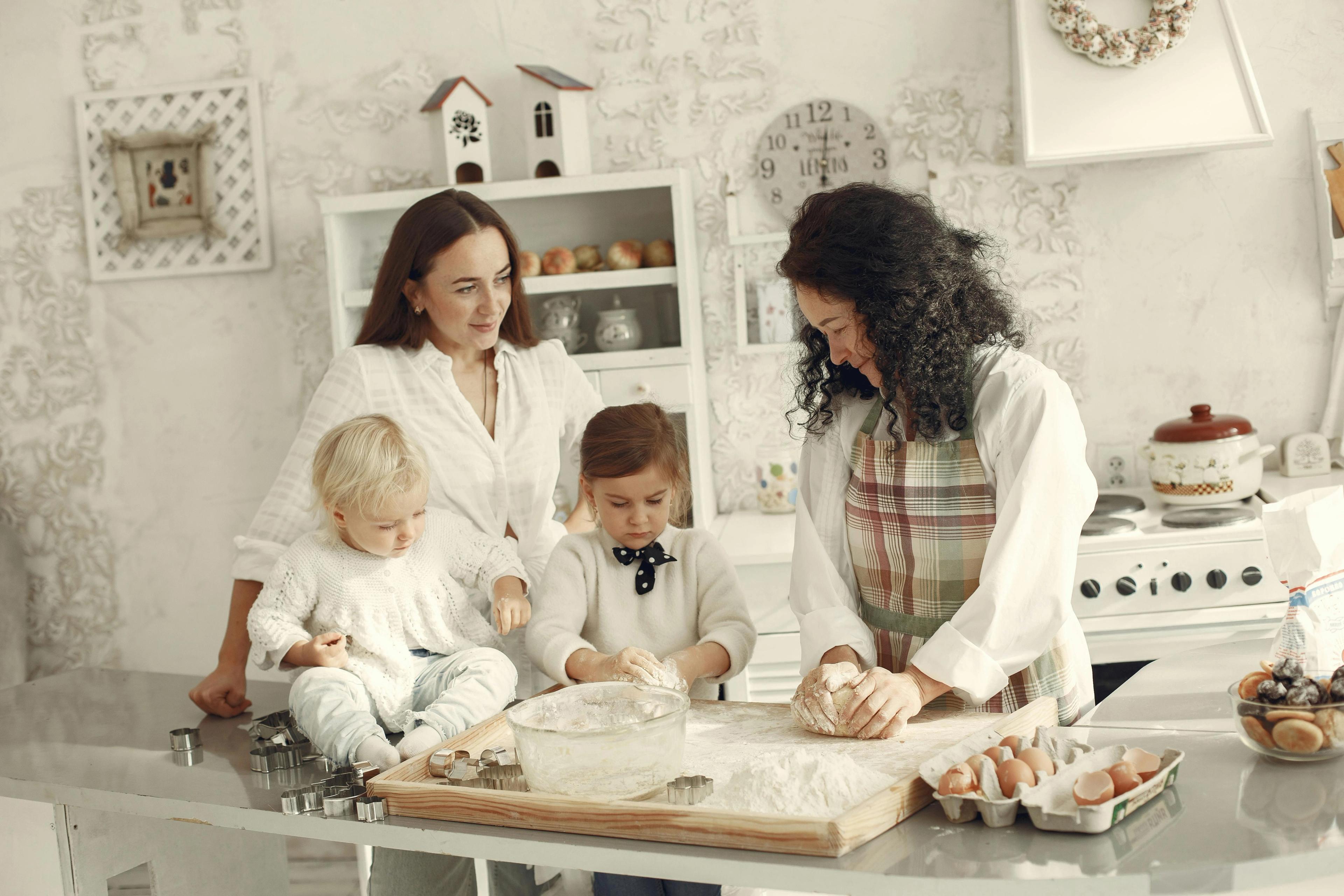
Whether it's a holiday celebration, annual gathering, favourite recipe, or unique family ritual, documenting these traditions helps ensure they continue for future generations.
4. Share life lessons and values
Some of the most valuable parts of a family legacy aren't possessions at all.
Recording the lessons you've learned, the advice you'd pass on, and the values that guided your life can become a lasting gift for children, grandchildren, and beyond.
5. Create something future generations can revisit
A family legacy is most powerful when it can be shared and revisited.
Many families choose to create a family history, memoir, photo book, or life story book that brings together stories, photographs, and memories in one place.
Examples of family legacies
Family legacies take many forms, and there is no right or wrong way to create one.
Stories and experiences
Stories are often the foundation of a family legacy.
Whether it's how your grandparents met, a memorable family holiday, military service, immigration stories, or important life lessons, these experiences help preserve family history in a meaningful way.
Recipes and food traditions
Family recipes often carry memories alongside ingredients.
Recording favourite dishes, cooking traditions, and the stories behind family meals can preserve an important part of your family's culture and identity.
Photographs and memorabilia
Photographs, letters, journals, certificates, and family heirlooms all help tell the story of previous generations.
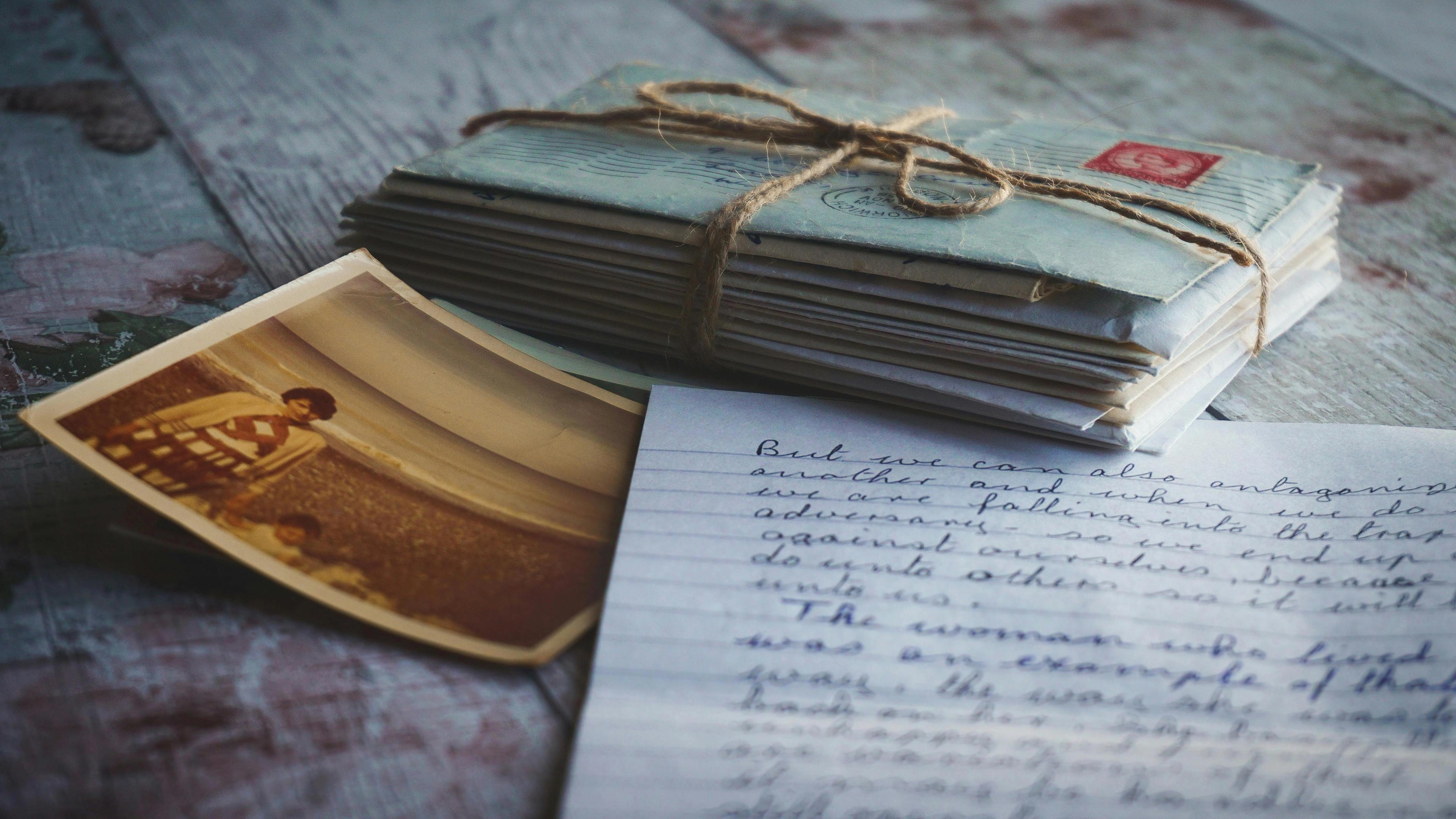
Adding context and stories to these items ensures their meaning isn't lost over time.
Family traditions and celebrations
Annual holidays, reunions, celebrations, and traditions help create a sense of continuity between generations.
Documenting these moments helps preserve the rituals that make your family unique.
Life story books
One of the most meaningful ways to preserve a family legacy is through a life story book.
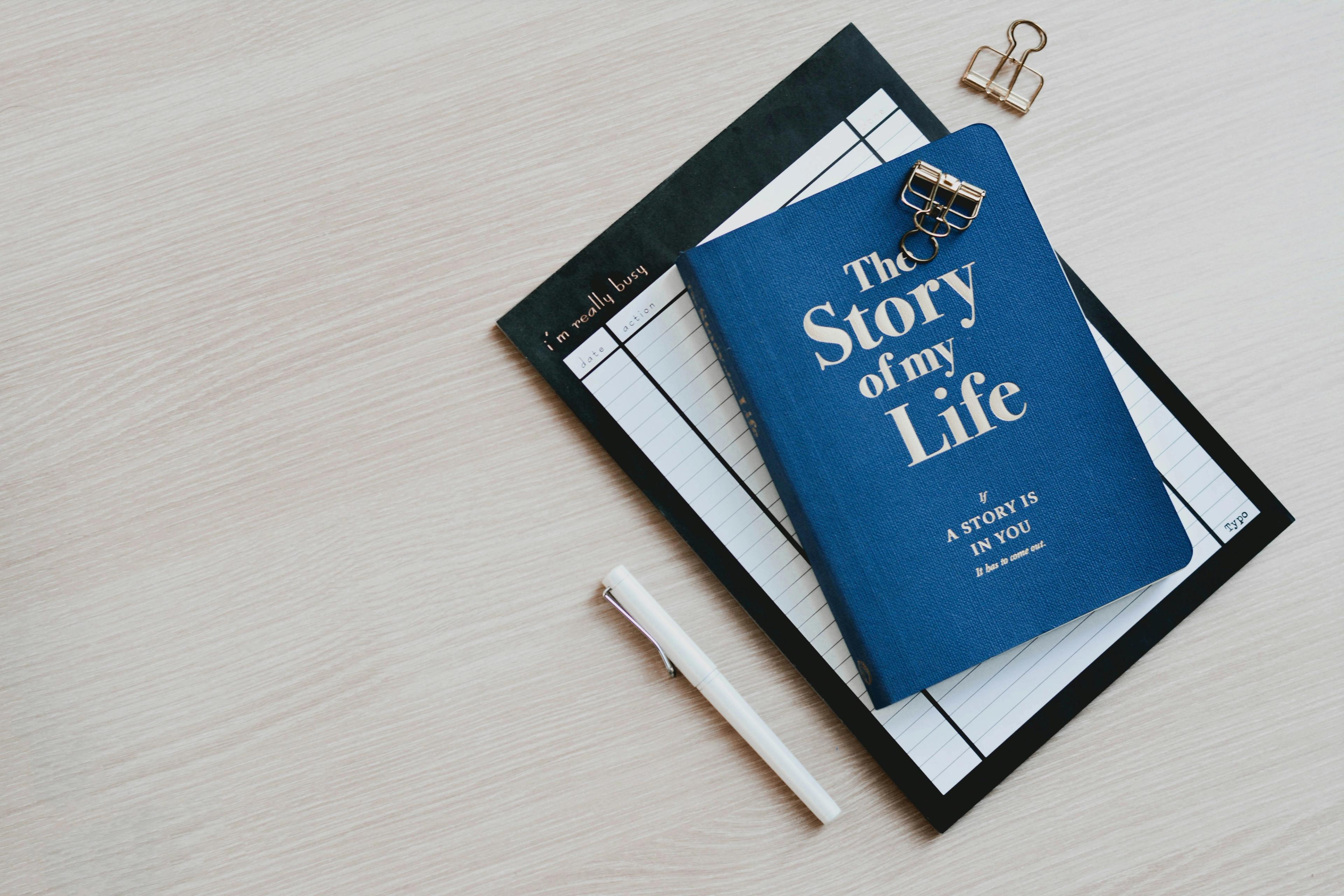
By combining memories, stories, photographs, and life lessons, a life story book creates something future generations can return to again and again.
Final thoughts
A family legacy doesn't need to be famous, wealthy, or extraordinary.
In most families, the most valuable things passed down are stories, memories, values, and lessons learned through experience.
By taking the time to preserve these today, you're creating a gift that can help future generations understand where they came from, what shaped their family, and what matters most.
The stories you share today may become some of your family's most treasured possessions tomorrow.


