
How to relive a memory: 8 ways to bring the past to life

Have you ever heard a song, smelled a familiar scent, or looked at an old photograph and suddenly felt transported back in time?
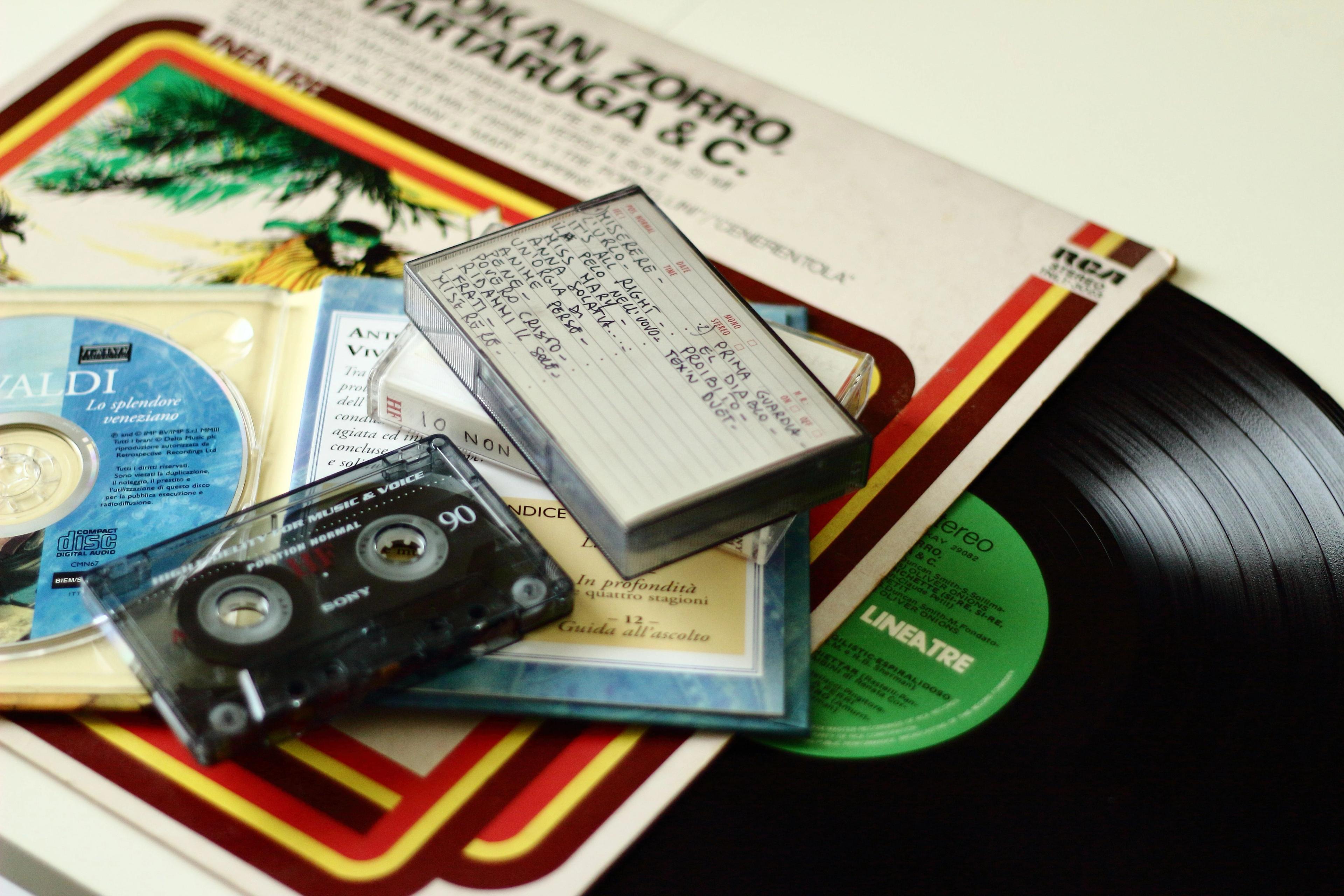
Our memories are closely connected to our senses, emotions, and experiences. The good news is that there are simple ways to reconnect with meaningful moments from your past and make those memories feel more vivid again.
Whether you're trying to remember a special holiday, reconnect with a loved one, or simply preserve important life experiences, these techniques can help.
1. Listen to music from the time
Music is one of the most powerful memory triggers.
Many people can instantly recall specific moments, people, and emotions when they hear a song associated with a particular period of their life.
Try listening to:
- Songs from your teenage years
- Music you listened to during a memorable trip
- Songs associated with family celebrations
- Music that reminds you of a particular person
Often, one song can unlock dozens of forgotten memories.
2. Use smell to trigger memories
The sense of smell has a unique connection to memory.
A familiar perfume, the smell of fresh baking, cut grass, the ocean, or even an old book can instantly bring back experiences from years ago.
Think about the scents that were part of the memory you're trying to revisit and see if you can recreate them.
3. Look through old photographs
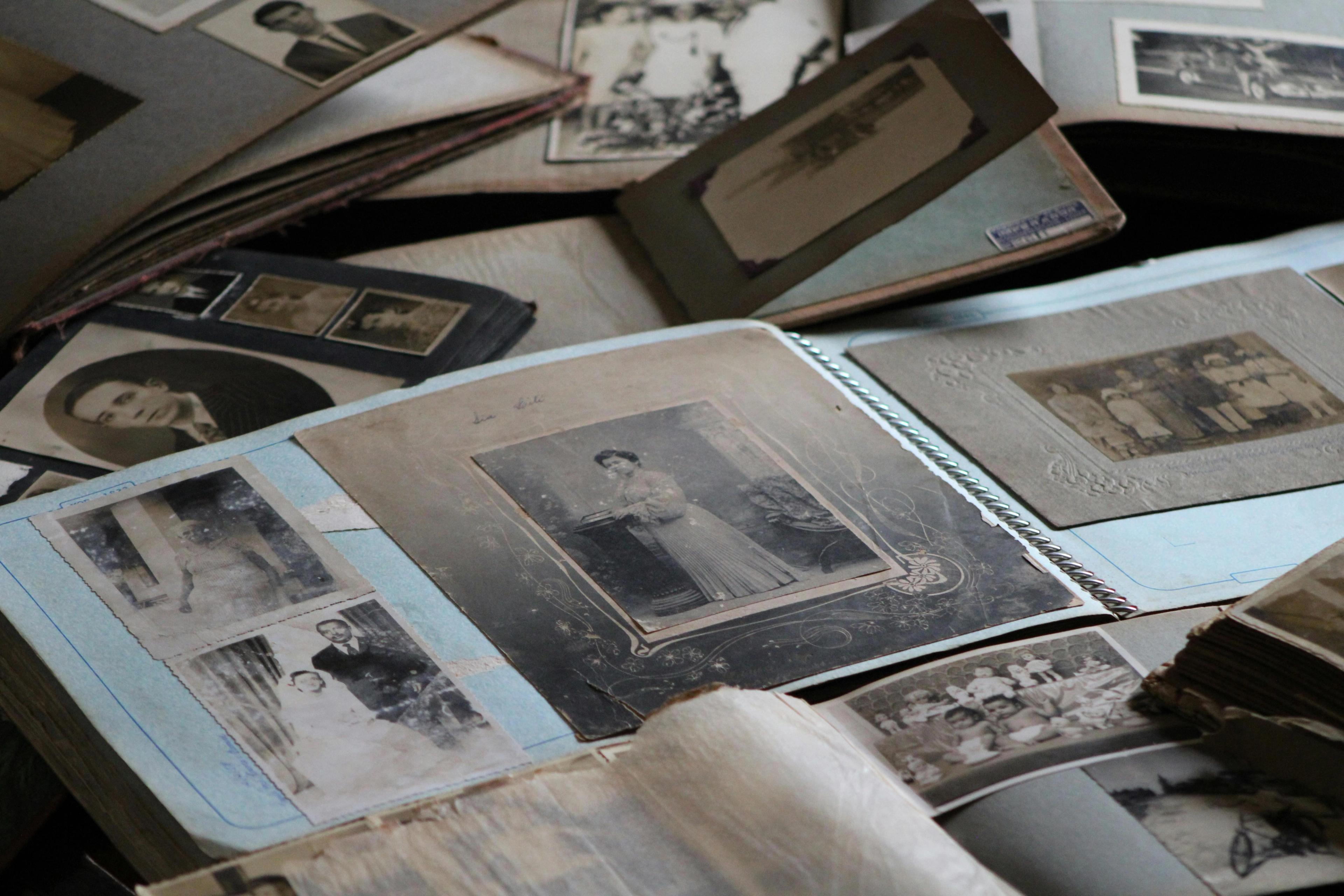
Photographs don't just preserve images, they preserve stories. Take time to look through old albums and ask yourself:
- Who was there?
- What happened before the photo was taken?
- What happened afterwards?
- How were you feeling at the time?
The stories behind the photographs are often more valuable than the images themselves.
4. Write about the memory
Writing helps strengthen memories and often reveals details you didn't realise you remembered.

Try spending 10 or 15 minutes describing:
- What happened
- Who was involved
- What you could see, hear, and smell
- How you felt
The more detail you include, the more vivid the memory often becomes.
5. Revisit meaningful places
Returning to a place connected with a memory can reactivate many sensory cues at once.
A childhood home, favourite holiday destination, local park, school, or neighbourhood can trigger sights, sounds, smells, and emotions that help bring memories back to life.
6. Keep meaningful objects
Objects often act as powerful memory triggers.
Ticket stubs, postcards, letters, souvenirs, recipes, and family heirlooms can all help reconnect us with important experiences.
Some people create a memory box or keepsake collection filled with items connected to special moments in their lives.
7. Recreate an activity you once enjoyed
Sometimes the fastest way to relive a memory is to repeat part of the experience.

You might:
- Bake a family recipe
- Play a favourite board game
- Visit a walking trail you once loved
- Paint, draw, or create something connected to the memory
Actions often trigger memories just as effectively as photographs or objects.
8. Slow down and reflect
Modern life doesn't leave much room for reflection.
Spending a few quiet minutes meditating, journaling, or simply sitting with your thoughts can help memories surface naturally.
Rather than trying to force a memory, allow it to emerge at its own pace.
Why reliving memories matters
Reliving memories isn't simply about looking backward.
Memories help us understand who we are, appreciate the people who shaped our lives, and preserve experiences that might otherwise be forgotten.
Many of the stories we treasure most begin as simple memories triggered by a song, photograph, place, or conversation.
By revisiting those memories and recording them while they're fresh in your mind, you create something that can be shared with family and passed on to future generations.


