
The top 5 regrets of the dying (and how to avoid them)

Life has a way of moving quickly. Between work, family responsibilities, daily routines, and endless to-do lists, it's easy to assume there will always be more time later, for travel, relationships, hobbies, dreams, and the things that truly matter.
But what happens when people reach the end of their lives and look back?
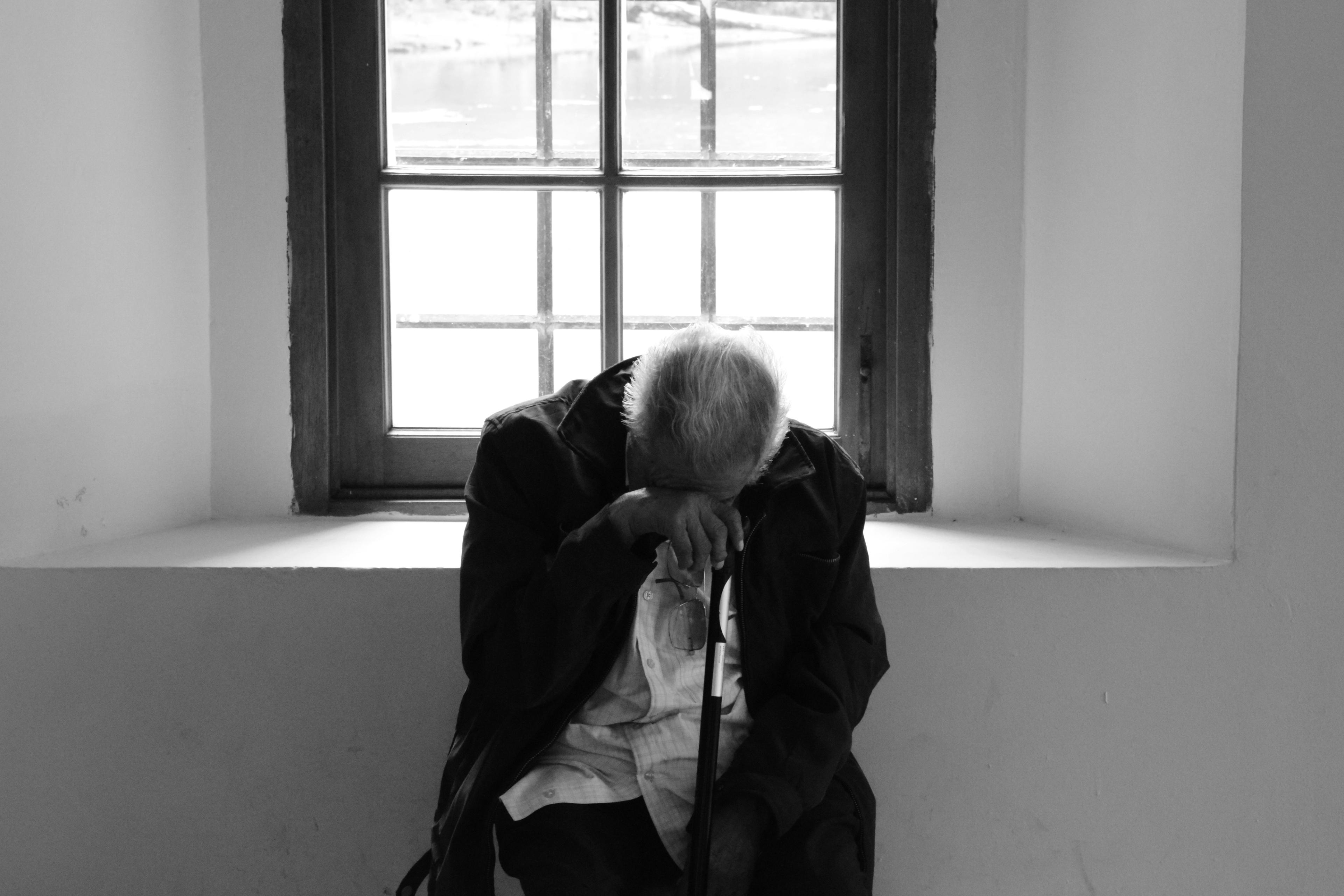
Australian palliative care nurse Bronnie Ware spent years caring for people during the final months of their lives. As she spoke with patients nearing death, she noticed the same regrets appearing again and again.
Their reflections eventually became the basis of her bestselling book, The Top Five Regrets of the Dying.
While every life is unique, the lessons are surprisingly universal. Here are the five most common regrets people expressed, and what we can learn from them today.
If you’re reflecting on your own life, these questions to ask yourself for a happier life can help you think about what matters most.
1. "I wish I'd had the courage to live a life true to myself"
This was the most common regret of all.
Many people realised they had spent years meeting the expectations of others rather than pursuing what genuinely mattered to them.
Some had postponed dreams indefinitely. Others had chosen security over passion or spent too much time worrying about what other people thought.
As life drew to a close, they recognised that many of the limitations they had accepted were self-imposed.
How to avoid this regret
Ask yourself:
- What would I do if I wasn't worried about other people's opinions?
- What goals have I been postponing?
- What matters most to me right now?
Living authentically doesn't require dramatic changes overnight. Often it starts with small decisions that align your life more closely with your values.
2. "I wish I hadn't worked so hard"
Many of Ware's patients regretted spending too much of their lives focused on work at the expense of relationships and experiences.
Career success can be rewarding, but very few people look back wishing they had spent more evenings answering emails or attending additional meetings.

Instead, they miss family dinners, holidays, conversations, and time spent with loved ones.
How to avoid this regret
Work is important. But so are:
- Family relationships
- Friendships
- Health
- Hobbies
- Experiences
Regularly ask yourself whether your calendar reflects your priorities.
3. "I wish I'd had the courage to express my feelings"
Many people spent years suppressing emotions to avoid conflict or maintain harmony. As a result, important conversations never happened.
Relationships remained unresolved. Feelings went unspoken.
By the end of life, many wished they had been more honest about what they felt.
How to avoid this regret
Expressing emotions doesn't mean saying everything that comes to mind.
It means being honest with the people who matter. Tell people:
- You appreciate them
- You love them
- You're proud of them
- You're sorry
Those conversations become more difficult when left too long.
4. "I wish I had stayed in touch with my friends"
Life becomes busy. People move away. Families grow. Careers demand attention. Before long, years can pass without speaking to someone who was once a close friend.

Many people nearing the end of life regretted allowing meaningful friendships to drift away.
How to avoid this regret
- Reconnect with someone today.
- Send a message.
- Make a phone call.
- Arrange lunch.
Most friendships don't disappear because of conflict, they fade because neither person takes the first step.
5. "I wish I had let myself be happier"
This final regret often surprises people. Many individuals realised that happiness was more of a choice than they had understood.
They had become comfortable with familiar routines, familiar worries, and familiar ways of thinking.
Some spent years postponing happiness until certain conditions were met. Others worried too much about what people thought. Many simply forgot to enjoy the present moment.
How to avoid this regret
You don't need to wait for the perfect circumstances to experience joy. Happiness is often found in:
- Relationships
- Gratitude
- Meaningful experiences
- Small daily pleasures
- Time spent with people you care about

Sometimes happiness begins by giving yourself permission to enjoy life as it is.
What can we learn from these regrets?
What's striking about these five regrets is what they don't include. Very few people wished they had earned more money, bought a larger house, or spent more time working.
Instead, they focused on relationships, experiences, authenticity, connection, and happiness.
The things we often neglect in the pursuit of success are frequently the things we value most in the end.
Reflect on your own life
One useful exercise is to ask yourself:
"If I looked back on my life twenty years from now, what might I regret not doing today?"
The answer may reveal what deserves more of your attention right now. Whether it's reconnecting with a friend, pursuing a dream, spending more time with family, or recording the stories and memories that matter most, small actions taken today can prevent future regrets.
Preserve the moments that matter
One of the common themes behind these regrets is the importance of relationships, memories, and personal reflection.
Recording your life stories can help you appreciate how far you've come, preserve important experiences, and pass valuable lessons on to future generations.
After all, a life well-lived isn't measured only by what we achieve. It's measured by the people we love, the experiences we share, and the stories we leave behind.
If you’re not sure where to begin, our guide to how to start writing your memoir can help.


