
Why many people get happier as they age: The happiness curve

If you could choose the happiest period of life, what would it be?
Many people assume happiness peaks in our youth. After all, younger adults often have better physical health, more energy, and seemingly endless possibilities ahead of them. But research suggests something surprising: many people actually become happier as they get older.

Despite the challenges that can come with aging, studies consistently find that life satisfaction, emotional well-being, and contentment often increase with age. This phenomenon is sometimes called the happiness curve.
What is the happiness curve?
The happiness curve describes a pattern researchers have observed across many countries and cultures. When charted over a lifetime, happiness often follows a U-shaped curve.
People tend to report relatively high levels of happiness in their younger years, followed by a dip during midlife, before happiness begins to rise again later in life. While everyone's experience is different, many studies have found that people in their 50s, 60s, and beyond often report greater life satisfaction than they did in their 20s, 30s, or 40s.
So why does this happen?
Why happiness often dips in midlife
For many people, early and middle adulthood are filled with competing pressures and responsibilities. During these years, we may be focused on building a career, finding the right partner, raising children, managing finances, caring for family members, and trying to figure out who we are and what we want from life.
At the same time, we're often comparing ourselves to others and worrying about the future. Questions such as:
- Am I successful enough?
- Am I making the right choices?
- Am I where I should be by now?
These can create stress and uncertainty, even during otherwise happy periods of life. This combination of responsibility, ambition, and self-doubt helps explain why happiness often reaches its lowest point during midlife.
Why happiness tends to increase with age
As people grow older, many of the pressures that dominated earlier decades begin to lose their grip. Older adults are often less concerned with impressing others, chasing external validation, or meeting society's expectations. Instead, they become more selective about where they invest their time, energy, and attention.
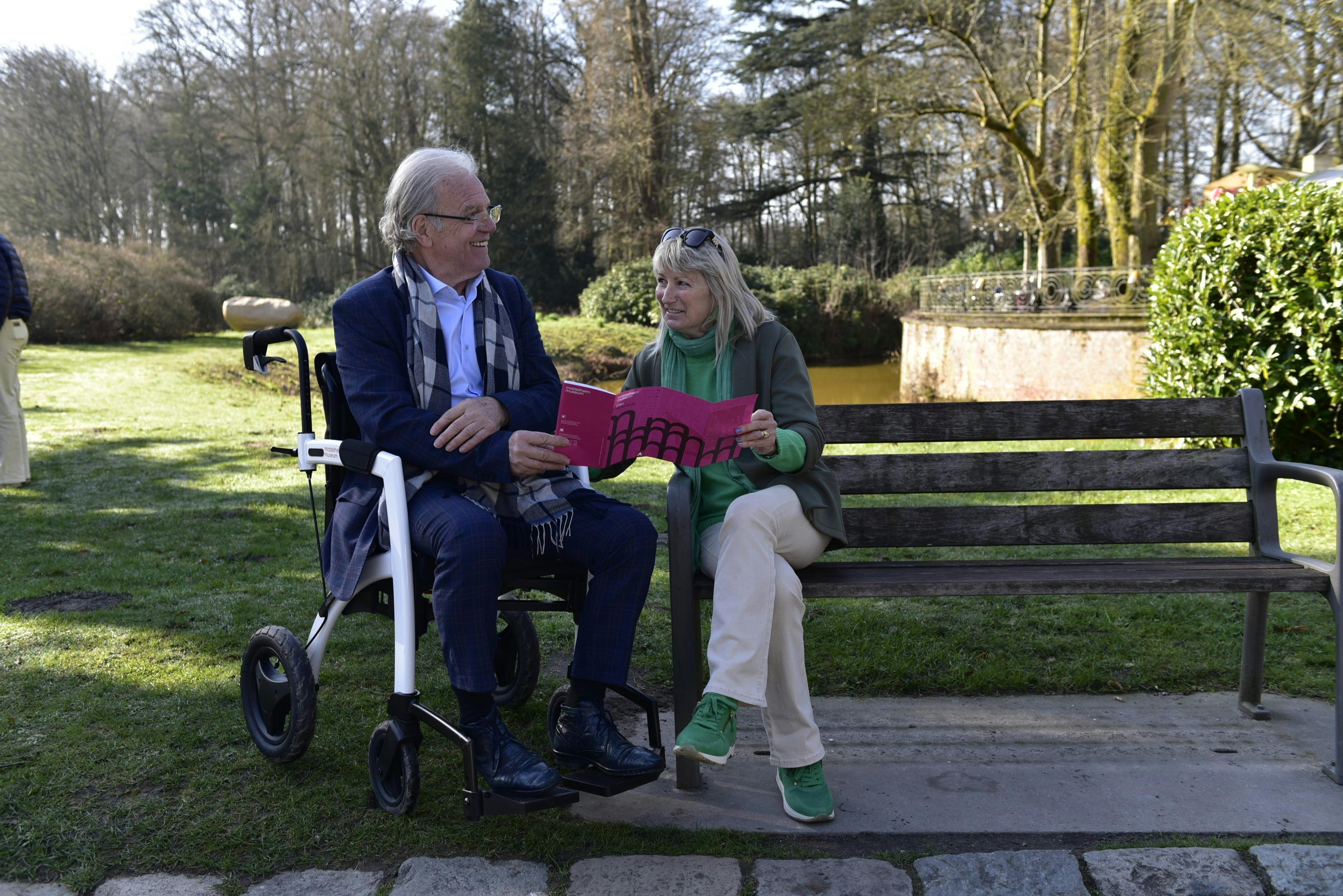
Research suggests that older adults are generally better at regulating emotions and focusing on positive experiences. Relationships become more important. Meaning becomes more important. Enjoying the present moment becomes more important.
Psychologists refer to this as socioemotional selectivity theory. The idea is that when people become more aware that time is limited, they naturally prioritise emotional fulfilment over long-term preparation. Rather than constantly focusing on the future, they focus more on the people and experiences that matter right now.
The role of perspective
One of the greatest gifts that comes with age is perspective.
Think back to a moment that felt devastating at the time - a breakup, a career setback, or an embarrassing mistake. Years later, many of these events feel far less significant than they once did.
You realise that life continued, you adapted, and you learned from the experience. What once felt overwhelming becomes part of a larger story rather than the defining chapter of it.
As we accumulate experiences, we begin to see life differently. We learn that setbacks are temporary, mistakes are survivable, and difficult periods often contain valuable lessons. This broader perspective can make everyday problems feel less threatening and help us focus on what truly matters.
The importance of relationships
Researchers consistently find that strong relationships are one of the biggest contributors to happiness. As people age, they often place greater value on spending time with family, friends, and loved ones.

An evening spent talking with friends, sharing stories with grandchildren, or enjoying a meal with family can bring more satisfaction than achievements, possessions, or status. The things that once seemed important often fade into the background, while the people we share life with become the focus.
Many older adults also become more grateful for the relationships they have and less concerned about superficial social comparisons. This shift in priorities can have a powerful effect on overall happiness.
What the happiness curve teaches us
The happiness curve doesn't mean every older person is happier than every younger person. Life is complex, and happiness is influenced by many factors.
However, the research offers an encouraging reminder: aging is not simply a story of decline. Many people become more comfortable with themselves as they get older. They worry less about what others think, appreciate relationships more deeply, develop greater resilience, and become better at finding joy in ordinary moments.
In many ways, growing older means gaining a clearer understanding of what truly matters and letting go of what doesn't.
Your memories become part of the story
As we age, our experiences begin to form a rich collection of memories, lessons, and stories. Looking back on those experiences can help us better understand who we are, how we've changed, and what matters most.

Many people find that reflecting on their memories increases feelings of gratitude, meaning, and connection. It's one reason memoir writing, journaling, and sharing family stories can be so rewarding. The experiences that shaped your life deserve to be remembered, not only for your own benefit but also for the people who come after you.
Final thoughts
Growing older isn't always easy. Every stage of life comes with its own challenges. But the happiness curve offers a hopeful perspective.
While youth may bring energy and possibility, age often brings something just as valuable: wisdom, perspective, stronger relationships, and a greater appreciation for life's meaningful moments.
As David Bowie once said: "Aging is an extraordinary process whereby you become the person you always should have been."
Perhaps that's one reason so many people find themselves becoming happier with age.


