
The Rashomon effect: The different ways an event is remembered

Have you ever disagreed with a family member about how something happened? Perhaps you remember a childhood holiday one way, while your sibling remembers it completely differently. Maybe one person recalls an event as funny, while another remembers it as stressful or emotional.
It can be tempting to ask, "Who is right?" But when it comes to memory, the answer is not always simple.
The same event can be remembered in different ways by different people. Each version may contain truth, but each is shaped by perspective, emotion, personality, and time. This is known as the Rashomon Effect.
What is the Rashomon effect?
The Rashomon Effect describes a situation where different people give conflicting accounts of the same event.
The term comes from Akira Kurosawa's 1950 film Rashomon, in which several characters describe the same incident in very different ways. Each version feels convincing, yet the accounts contradict one another.
The idea has since become a useful way to describe how memory and perspective work in real life.
Two people can experience the same moment and walk away with very different memories of it. That does not necessarily mean one person is lying. It may simply mean they noticed different details, felt different emotions, or interpreted the event through their own experiences.
Why do people remember things differently?
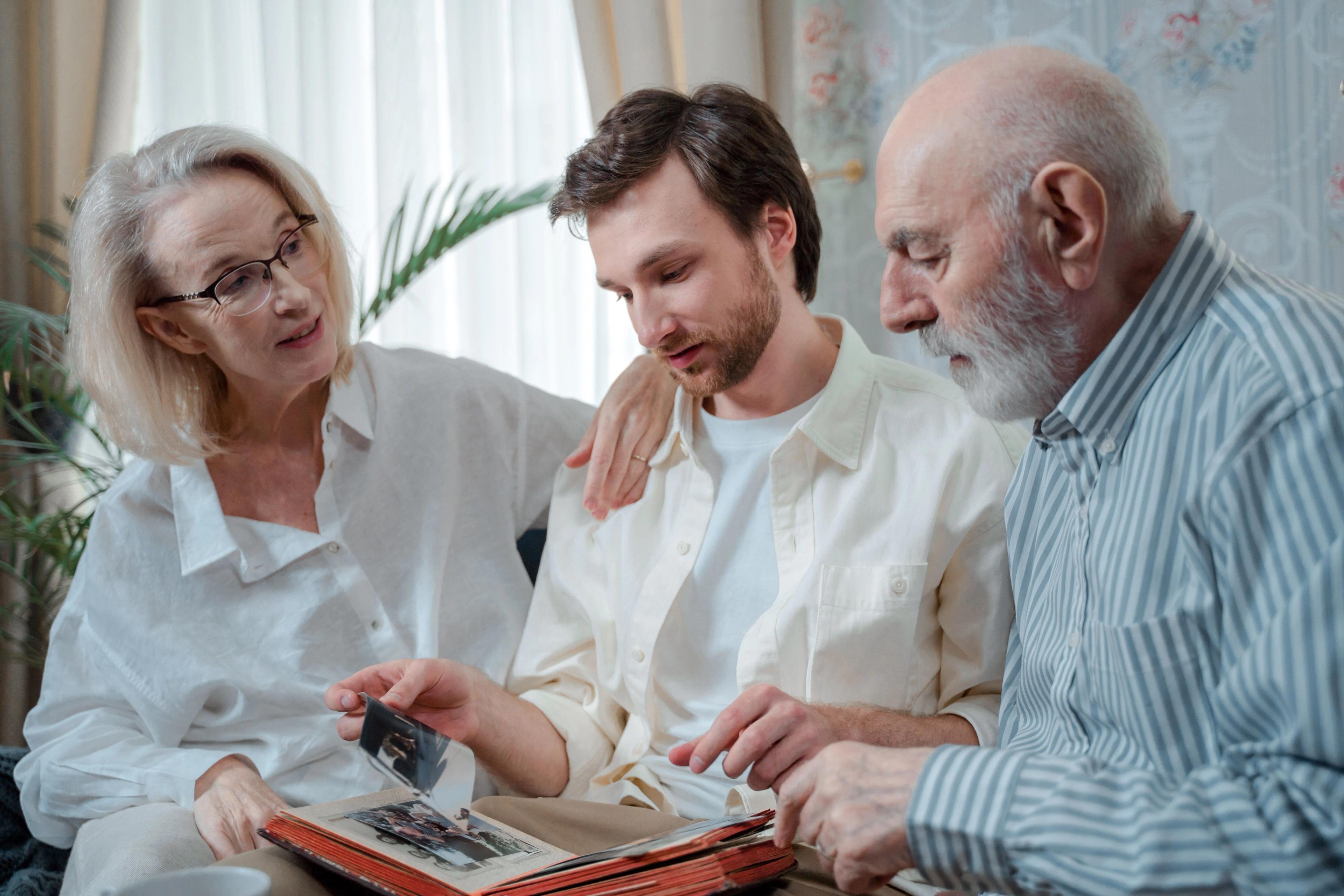
Memory is not a perfect recording of the past. It is shaped by many things, including:
- What we noticed at the time
- How we felt during the event
- Our age and life experience
- Our relationship with the people involved
- What happened before and after
- How often we have retold the story
For example, a family move might be remembered by one person as an exciting new beginning and by another as a painful goodbye.
A parent may remember a holiday as exhausting because they were organising everything, while a child remembers it as magical because they were free to play and explore.
Both memories can be true in their own way.
Why this matters for family stories
Family history is rarely made up of one single version of events. It is built from many perspectives.
Your memory of a family Christmas may be different from your brother's. Your mother may remember your childhood home differently from you. Your grandfather may tell a story one way, while another relative fills in details he forgot.
Rather than seeing these differences as problems, we can see them as part of the richness of family storytelling. When several people remember the same event, each person adds something valuable.
One person may remember the setting. Another may remember the conversation. Someone else may remember how everyone felt. Together, these memories create a fuller and more meaningful picture.
The value of shared memories
Some of the best family stories are created through conversation.
You might begin by saying:
"Do you remember that holiday in Cornwall?"
Someone else might add:
"Yes, but I remember it raining every day."
Then another person says:
"I remember Dad trying to put up the tent in the wind."
Suddenly, a memory that began as a single sentence becomes a vivid shared story. This is why talking to relatives, comparing memories, and inviting other people to contribute can be so powerful.
A shared memory does not need to be perfectly consistent to be meaningful. In fact, the differences often make it more interesting.
What if memories conflict?
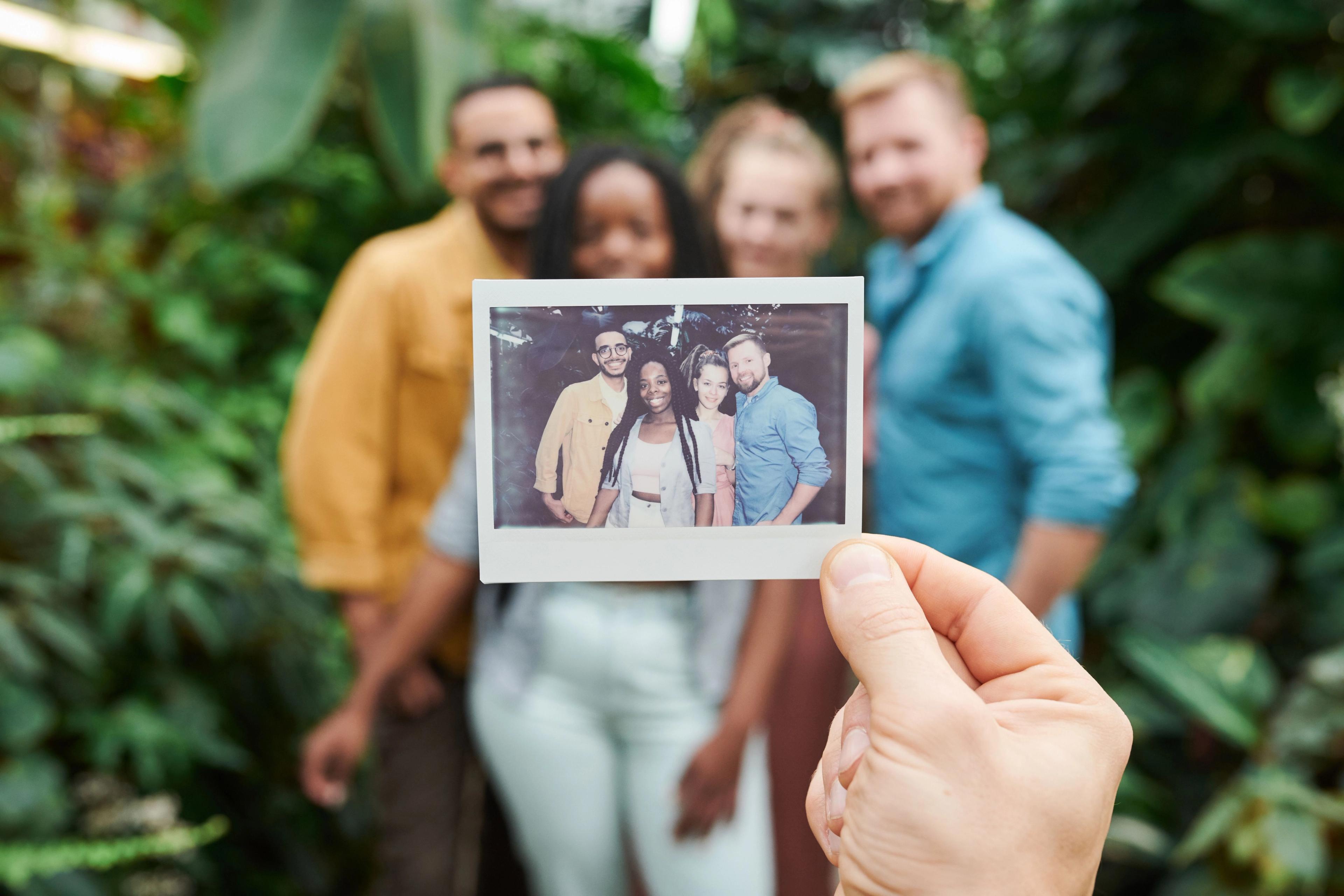
Sometimes different memories can create disagreement. One person may remember an event fondly, while another remembers it as difficult. One person may recall a conversation clearly, while another insists it happened differently.
When this happens, it helps to approach memory with curiosity rather than defensiveness.
Instead of asking:
"Which version is correct?"
try asking:
"Why might we remember this differently?"
This creates space for understanding. Memory is personal. It reflects not only what happened, but how we experienced what happened.
How to use the Rashomon effect in memoir writing
If you are writing a memoir or life story, the Rashomon Effect can actually make your writing stronger.
You do not need to pretend your version of events is the only possible version. You can acknowledge that other people may remember things differently.
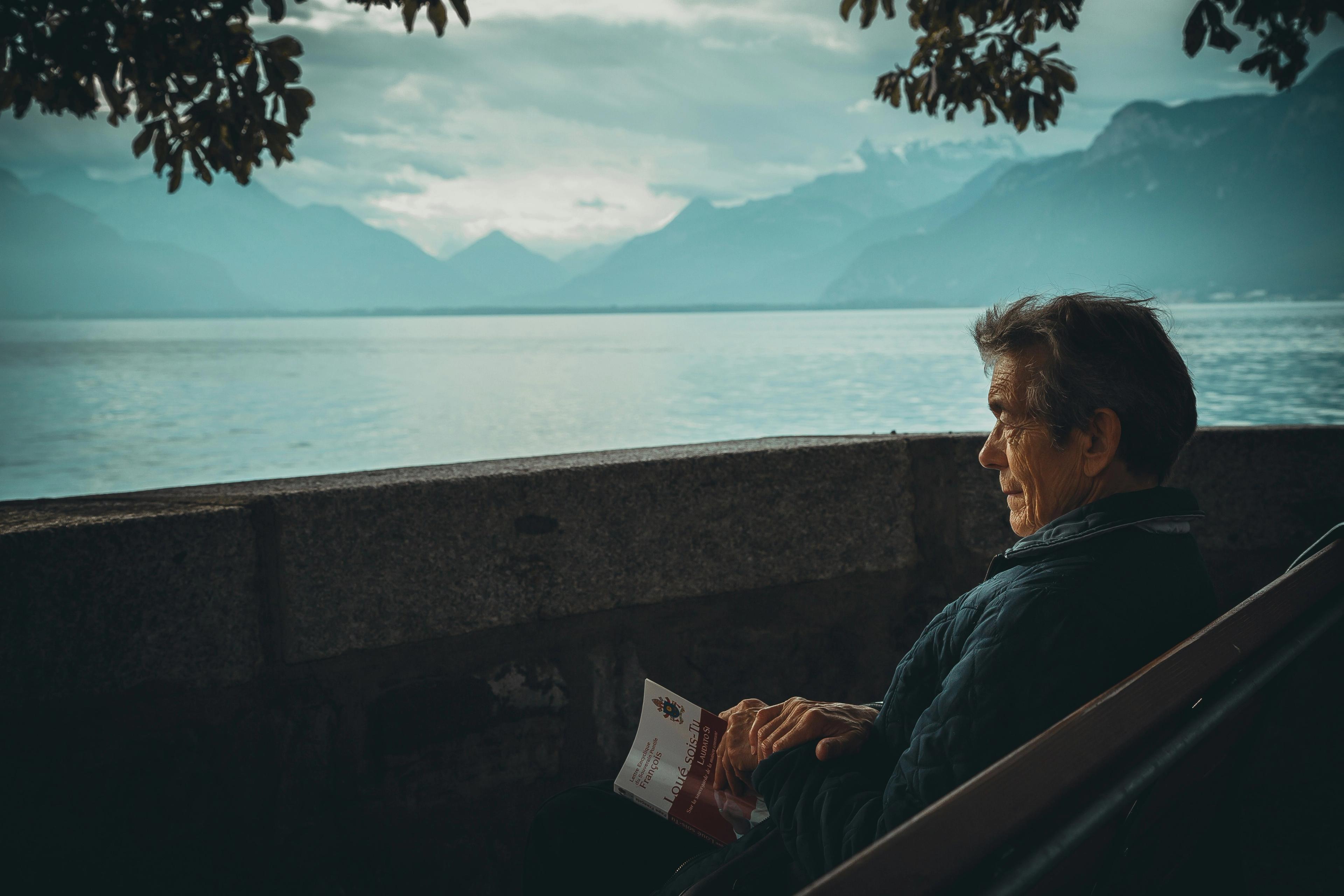
For example, you might write:
My sister remembers that day as chaotic, but I remember it as one of the happiest afternoons of my childhood.
This kind of contrast adds depth and honesty to your story. It also shows readers that memory is layered, human, and complex.
Ask others for their version
One of the best ways to enrich your life stories is to ask other people what they remember.
You could ask:
- What do you remember about that day?
- What stood out to you?
- How did you feel at the time?
- Is there anything I have forgotten?
- Do you remember it differently?
These questions can uncover details you would never have remembered alone. They can also help preserve the voices and perspectives of people who shared important moments with you.
Final thoughts
The Rashomon Effect reminds us that memory is not always fixed or simple. Two people can remember the same event differently and both memories can still matter.
When it comes to family history, these different perspectives are not something to fear. They are something to treasure.
Together, they create a richer, fuller, and more human version of the past. The goal is not always to find one perfect truth. Sometimes, the real value lies in preserving the many ways a moment was remembered.


