
7 reasons people don't tell their life stories

Family stories are the threads that connect one generation to the next. They tell us where we came from, what our relatives lived through, what they valued, what they overcame, and what they learned along the way.

But not everyone finds it easy to share their stories. Some people worry their life is not interesting enough. Others feel uncomfortable talking about themselves, struggle to remember details, or simply do not know where to begin.
If someone in your family is hesitant to tell their story, these are some of the most common reasons why, and how to gently overcome them.
1. “my life isn’t interesting enough”
This is one of the most common reasons people avoid sharing their stories.
Many people assume that only dramatic, unusual, or famous lives are worth recording. But family stories are not valuable because they are extraordinary. They are valuable because they are personal.
If this is a common concern in your family, our guide on whether your life story is interesting enough to write a book may help reassure them.
A story about a childhood home, a first job, a family recipe, a holiday, or a daily routine can reveal so much about a person’s character, values, and experiences.
Often, the details that feel ordinary to the storyteller are exactly the details future generations will treasure most.
How to respond
Remind your loved one that their story does not need to be dramatic to matter.
You might say:
“I’d love to know what everyday life was like for you.”
or:
“The small details are the things I don’t want us to lose.”
2. “I’m not sure anyone would care”
Some people hesitate because they worry their stories will not matter to anyone else. This can be especially true for older relatives who may underestimate how much their children, grandchildren, or wider family want to know.

But family stories help people feel connected. They give younger generations a stronger sense of identity and belonging. They also help preserve the voices, memories, and experiences of people who shaped the family.
How to respond
Be specific.
Instead of saying, “You should write your life story,” try saying:
“I’d love to know what you were like when you were my age.”
or:
“I want my children to know these stories one day.”
People are often more willing to share when they understand who the stories are for.
3. “I don’t want to seem self-important”
Some people feel uncomfortable talking about themselves. They may worry that telling their life story sounds boastful, self-indulgent, or attention-seeking.
But sharing stories does not have to be about ego. It can be about connection, reflection, and passing on wisdom. A life story is not a performance. It is a gift.
It gives family members the chance to understand someone more fully and preserve memories that might otherwise disappear.
How to respond
Reframe the purpose. You might say:
“This isn’t about showing off. It’s about helping us understand your life.”
or:
“Your stories are part of our family legacy.”
That small shift can make storytelling feel less intimidating.
4. “I don’t remember enough”
Memory can feel unreliable, especially as people get older. Some family members worry they will get details wrong, forget important events, or be unable to tell a complete story.
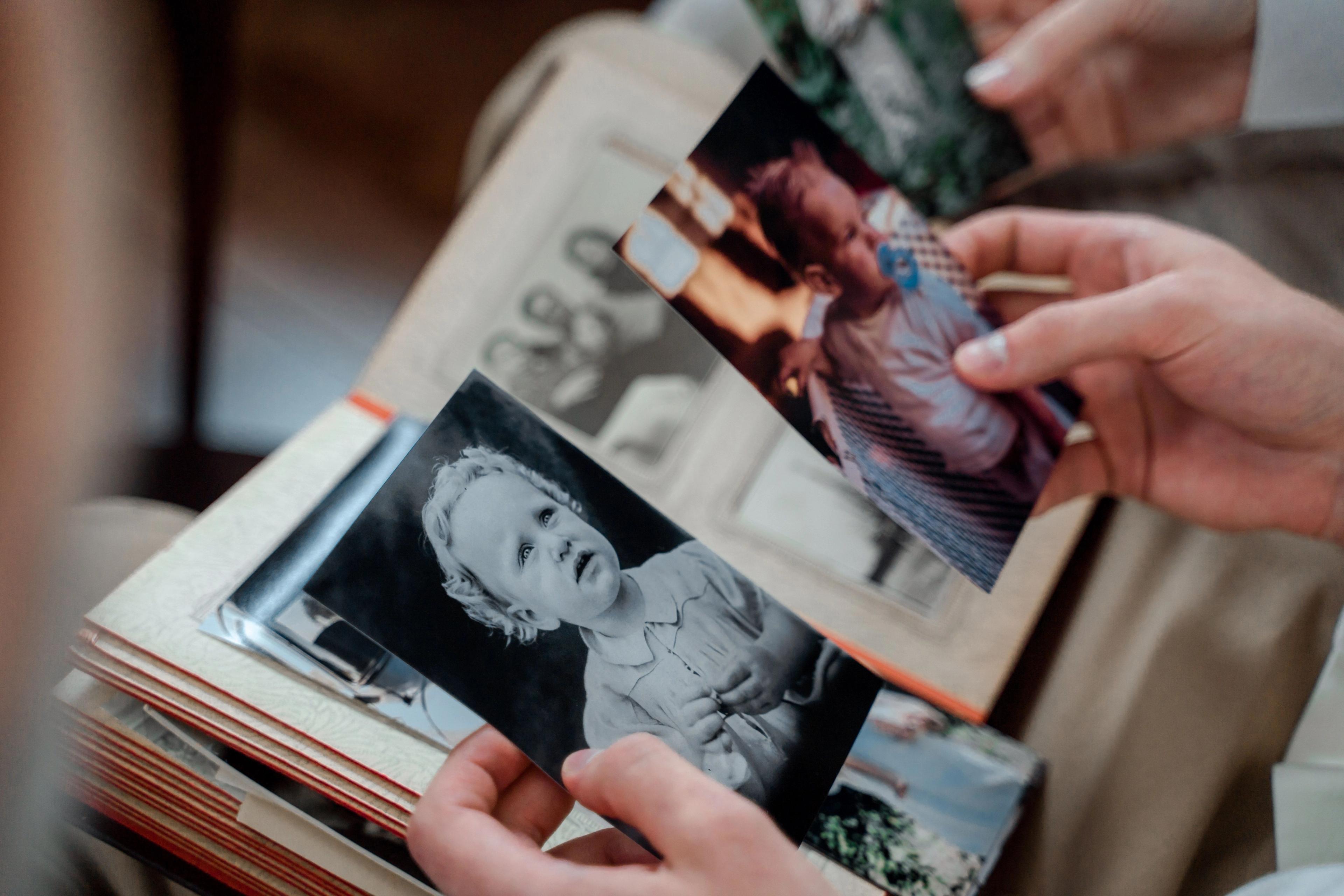
But life stories do not need to be perfect records. A memory can still be meaningful even if a date, place, or name is missing. What matters most is often the feeling, lesson, or experience behind the memory.
Photographs, music, old letters, familiar places, and conversations with relatives can also help bring forgotten details back. For more ideas, read our guide on how to relive memories.
How to respond
Take the pressure off accuracy. Try asking gentle prompts such as:
- What do you remember about that time?
- How did it feel?
- Who was there?
- What stands out most?
- What do you wish people knew about it?
The aim is not to create a flawless historical document. It is to preserve the memories that still matter.
5. “I don’t want to be vulnerable”
Some stories are difficult to tell. Family members may avoid sharing because they do not want to revisit painful memories, reopen old wounds, or talk about things they have kept private for years.
That hesitation deserves respect. Not every story has to be shared, and no one should feel pressured to talk about something before they are ready.

At the same time, many people find that gentle reflection can help them make sense of difficult experiences and decide what they want future generations to understand.
How to respond
Let them stay in control. You might say:
“You only have to share what feels comfortable.”
or:
“We can start with happier memories.”
Beginning with simple, positive stories can help build trust and confidence.
6. “I’m not a good writer”
Many people assume they need to be skilled writers to preserve their life stories. They imagine they must produce polished chapters, perfect sentences, or a complete memoir from the beginning.
But storytelling does not have to start with writing. A person can:
- Answer simple questions
- Record voice notes
- Talk through memories
- Share photographs
- Tell stories in conversation
- Write short reflections
The words can always be shaped later. What matters first is capturing the story.
How to respond
Make the process feel simple.
Try saying:
“You don’t need to write it perfectly. Just tell it in your own words.”
or:
“We can record the story first and organise it later.”
This removes the pressure to produce something polished straight away.
7. “I don’t have time”
Life stories can feel like a big project. Some people imagine they need to sit down for hours, write an entire book, or remember everything at once.
In reality, stories can be captured one small piece at a time.

A five-minute conversation about a childhood memory, a short note about a photograph, or a quick voice recording about a family tradition can all become part of a larger life story. Small efforts add up.
How to respond
Start small. Ask one question. Choose one photograph. Record one memory.
The goal is not to finish everything in one sitting. The goal is simply to begin.
How to encourage a loved one to share their stories
If someone in your family is reluctant to open up, try not to push too hard. Instead, create a comfortable environment.
You could:
- Ask gentle, specific questions
- Look through old photographs together
- Talk while walking, cooking, or having tea
- Start with happy or funny memories
- Let them skip anything they do not want to discuss
- Show genuine interest without interrupting
Often, people begin sharing once they feel listened to.
A simple question such as “What was your childhood home like?” or “Who had the biggest influence on you?” can lead to stories you have never heard before.
Why these stories matter
Family stories help preserve more than events. They capture personality, humour, values, resilience, relationships, and wisdom.
They help younger generations understand the people who came before them and give families a stronger sense of connection.
Even the smallest stories can become precious over time. The ordinary details of someone’s life today may become the family history future generations are grateful to have.
Final thoughts
There are many reasons people hesitate to share their life stories.
They may feel their life is not interesting enough. They may worry no one will care. They may struggle to remember details, feel uncomfortable being vulnerable, or believe they are not good at writing.
But none of these reasons means their story is not worth preserving. Every life contains memories, lessons, and experiences that matter. Sometimes, all it takes is one gentle question to begin.


