
8 creative ways to keep the memory of a loved one alive

Grief looks different for everyone. There is no fixed timeline, no perfect set of stages, and no single right way to remember someone you love. Some people find comfort in visiting a resting place.
Others prefer to talk about their loved one, look through photographs, cook their favourite meal, or create something lasting in their memory. Photographs and familiar objects can often help us relive memories in a gentle, meaningful way.

Keeping a loved one’s memory alive is not about holding onto pain. It is about continuing to honour the love, stories, moments, and influence they brought into your life.
Here are eight meaningful ways to remember someone special.
1. Create a memorial garden
Planting something in memory of a loved one can be a beautiful way to create a living tribute. You might choose their favourite flowers, a rose bush, a small tree, herbs they liked to cook with, or even a quiet corner of the garden where you can sit and reflect.
A memorial garden gives you somewhere peaceful to remember them and feel close to them.

It does not need to be large or elaborate. Even a single plant in a pot can become a meaningful reminder of someone you love.
2. Keep a favourite tradition going
Traditions can help memories stay part of everyday life. You might continue cooking their favourite meal, watching a film they loved, playing music they enjoyed, visiting a place that mattered to them, or marking their birthday in a gentle way.
These small rituals can bring comfort, especially around anniversaries, birthdays, and holidays.
Rather than pretending the loss is not there, traditions give you a way to include your loved one in the moments when they are missed most.
3. Create a memory box
A memory box is a simple but powerful way to preserve special items.
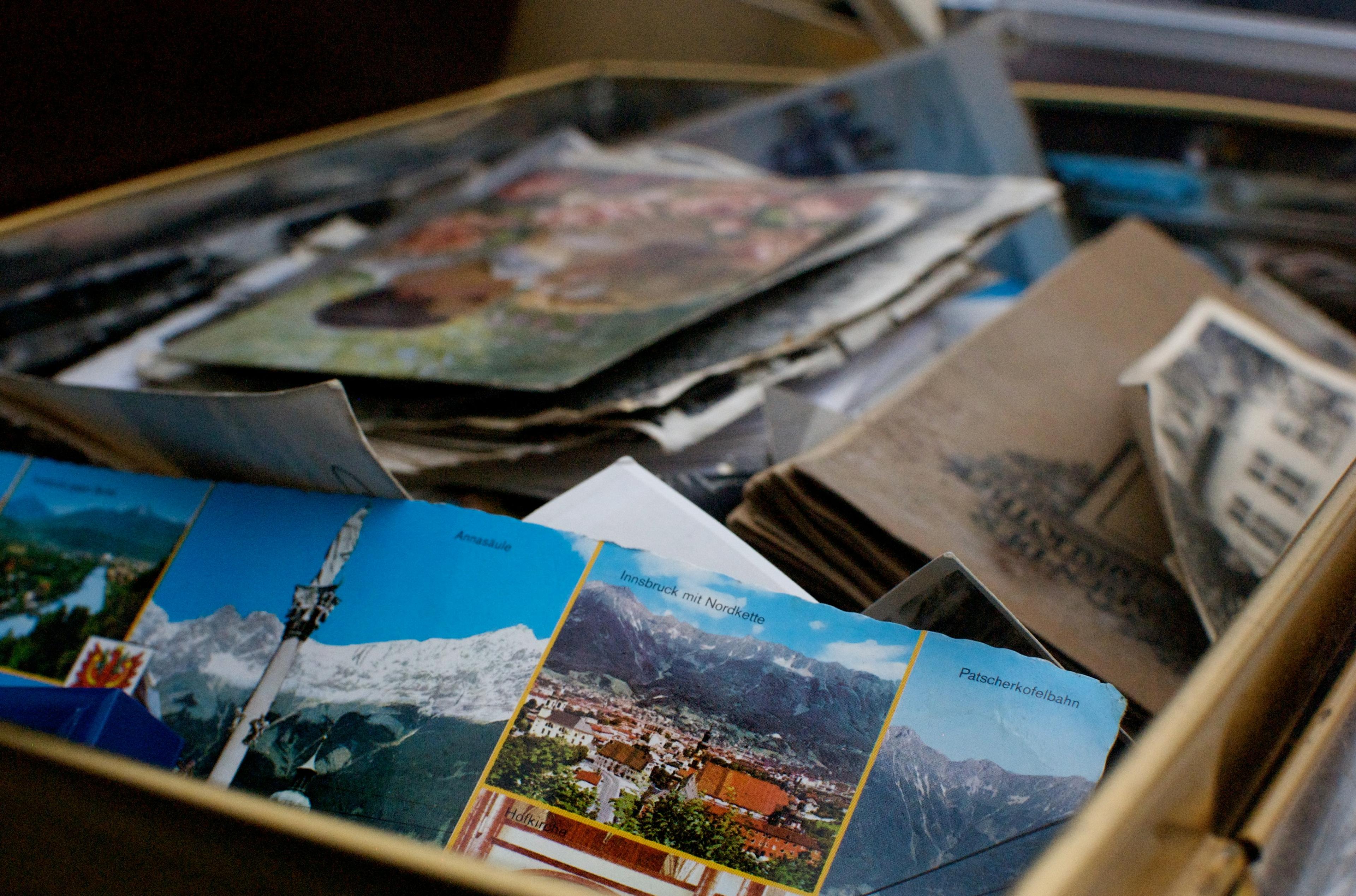
You could include:
- Photographs
- Letters or cards
- Jewellery
- Clothing
- Tickets or programmes
- Handwritten notes
- Recipes
- Small keepsakes that remind you of them
These objects often hold stories that photographs alone cannot capture.
A memory box can be kept privately, shared with family, or passed down to younger generations who may one day want to know more about the person behind the keepsakes.
If a keepsake brings back a particular moment, our guide on how to bring a memory to life can help you turn that memory into words.
4. Write them a letter
Sometimes there are things we still want to say. Writing a letter to someone who has died can be a comforting way to express thoughts, memories, gratitude, love, or unfinished feelings.
You might write about what you miss, what you wish you could tell them, a memory that came back to you, something that happened recently, or what they meant to you.

You do not have to show the letter to anyone. The act of writing can be meaningful in itself. Some people write one letter. Others make it a yearly ritual on a birthday, anniversary, or important date.
5. Turn clothing or belongings into keepsakes
A favourite jumper, scarf, shirt, blanket, watch, book, or piece of jewellery can carry deep emotional meaning.
Some families choose to turn clothing into memory cushions, quilts, blankets, soft toys, framed fabric pieces, or small keepsake hearts.
Others keep personal items somewhere special, where they can be seen, held, or revisited when needed. These keepsakes can offer a physical connection to someone you loved and become a quiet reminder of their presence in your life.
6. Support a cause they cared about
If your loved one had a cause, charity, community, or passion that mattered to them, supporting it can be a meaningful tribute.
You might:
- Make a donation in their name
- Volunteer for a cause they supported
- Raise money through an event
- Plant trees in their memory
- Support a local club, school, or organisation they loved
This can be a powerful way to let their values continue to have an impact. It turns memory into action.
7. Share stories with family and friends

One of the most important ways to keep someone’s memory alive is to talk about them. Share the funny stories. The everyday stories. The stories that show who they were.
You might ask family and friends:
- What do you remember most about them?
- What always made them laugh?
- What did they teach you?
- What phrase, habit, or story do you always associate with them?
- What should future generations know about them?
These conversations can uncover memories you have never heard before. They also help younger family members understand the person more fully.
If you’re not sure what to ask, these questions to ask family members can help begin gentle conversations.
8. Create a life story book
A life story book is one of the most lasting ways to preserve someone’s memory. It can bring together:
- Stories
- Photographs
- Family memories
- Personal details
- Life lessons
- Messages from loved ones
- Important milestones
A life story book can celebrate who someone was, what they experienced, and how they shaped the lives of others.
It can also become a treasured keepsake for children, grandchildren, and future generations who may not have had the chance to know them personally. In this way, their stories can become part of your wider family legacy.
Final thoughts
Keeping the memory of a loved one alive is deeply personal. There is no right or wrong way to do it.
You might plant a garden, write a letter, continue a tradition, create a memory box, or gather their stories into a book. What matters is choosing something that feels meaningful to you and reflects the relationship you shared.
The people we love continue to live on through the stories we tell, the traditions we keep, the lessons we carry, and the memories we pass down.


