
Nostalgia goggles: Why we remember the past more fondly than it really was

Most of us have caught ourselves saying something like: "Things were simpler back then."
Perhaps you're thinking about childhood summers, family holidays, your first home, or a favourite period of your life. Looking back, those memories often seem warmer, happier, and more meaningful than they felt at the time.
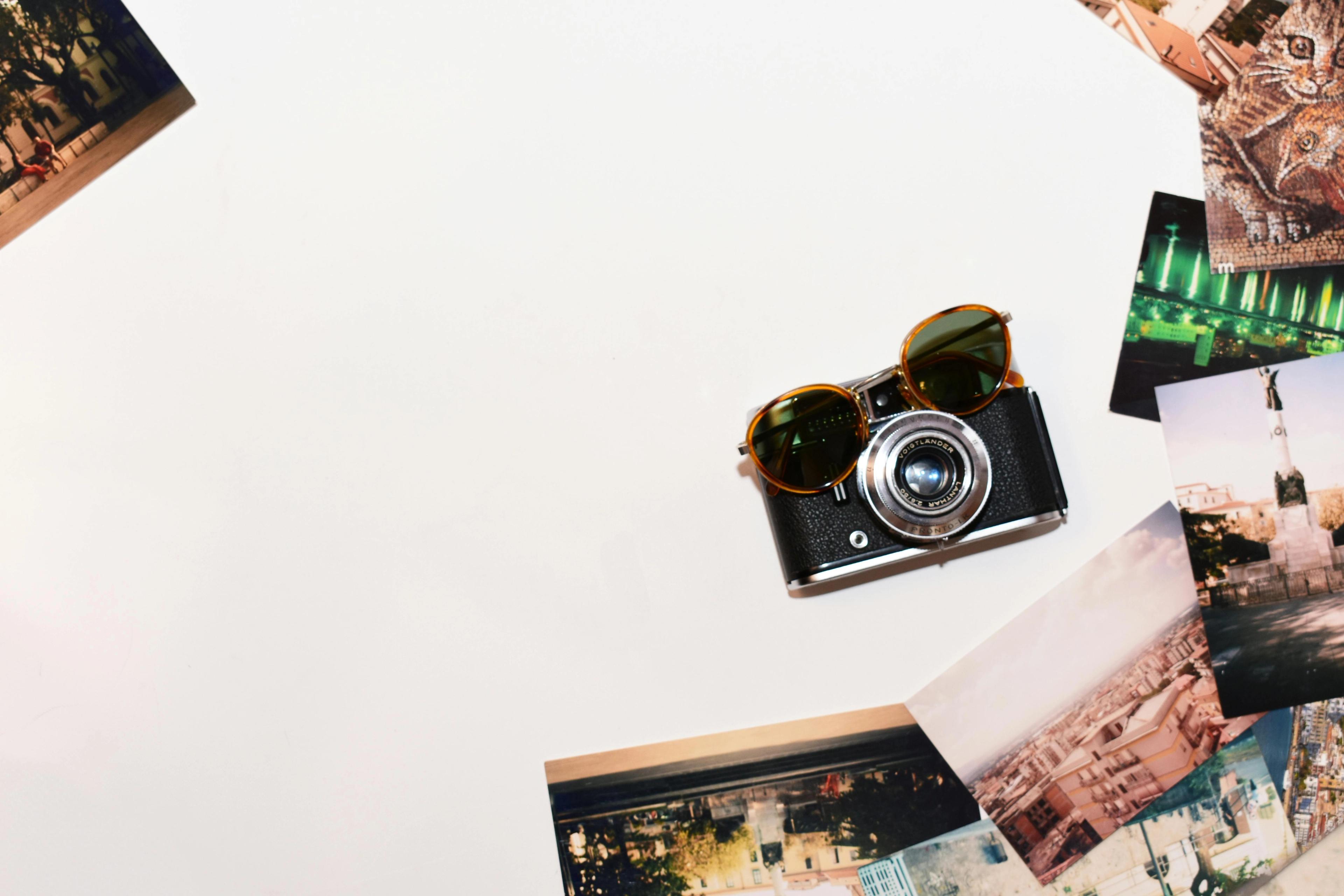
Psychologists sometimes refer to this tendency as "nostalgia goggles", our habit of viewing the past through a more positive lens than we may have experienced it.
But why does this happen? And is it actually a bad thing?
Why we remember the good more than the bad
Research suggests that the emotional impact of negative experiences fades faster than positive ones. Psychologists call this the fading affect bias. Over time, the frustration, stress, or disappointment attached to an event tends to weaken, while the positive feelings remain stronger.
Think about a family road trip. At the time, you may have dealt with wrong turns, bad weather, arguments in the back seat, or car trouble. Years later, those frustrations often fade into the background while the laughter, adventure, and shared experiences remain.
As a result, many of our memories become increasingly positive as time passes.
Are the "good old days" really better?
Not necessarily. Every generation tends to believe that life was better in the past. Yet when we look back honestly, most periods of our lives included both good moments and difficult ones.
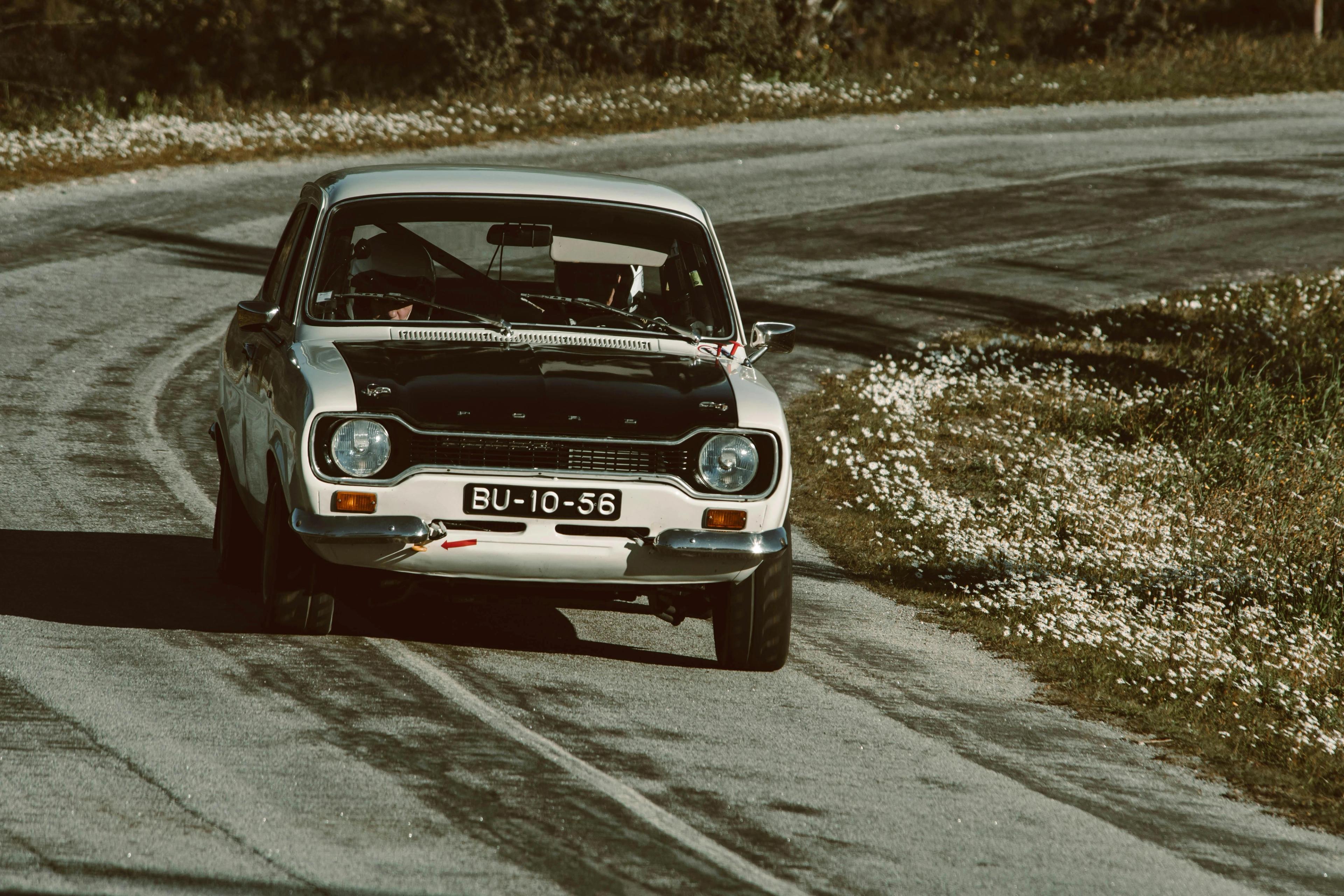
What often changes isn't the past itself, it's how we remember it.
Our brains naturally create a more balanced and emotionally satisfying picture of our lives. Instead of remembering every inconvenience, we focus on the people, relationships, and experiences that mattered most.
Why nostalgia can be good for you
For many years, nostalgia was viewed as a form of homesickness or excessive longing for the past. Today, psychologists see it differently.
Studies have found that nostalgic reflection can:
- Improve mood
- Increase self-esteem
- Strengthen feelings of connection with others
- Provide comfort during difficult times
- Help people find meaning in their lives
In other words, reminiscing isn't simply looking backward. It can help us feel more grounded and connected in the present.
What nostalgia can teach memoir writers
If you're writing your memoir or recording your life story, nostalgia can be both helpful and misleading.
On one hand, nostalgic memories are often the easiest to access. They help us reconnect with important people, places, and experiences from our past.
On the other hand, it's worth remembering that every memory contains complexity. A happy childhood memory may include moments of uncertainty. A difficult period may contain moments of joy. The richest memoirs acknowledge both.
Different people may also remember the same event in different ways, which is why the Rashomon Effect can be useful to understand when writing family stories.
Rather than asking: "Was this memory good or bad?", try asking:
- What did this experience teach me?
- Why does it still matter today?
- What emotions do I associate with it now?
- How has my perspective changed over time?
These questions often uncover deeper stories worth preserving.
Using nostalgia to unlock more memories
One of the best things about nostalgia is that it often acts as a doorway to other memories.
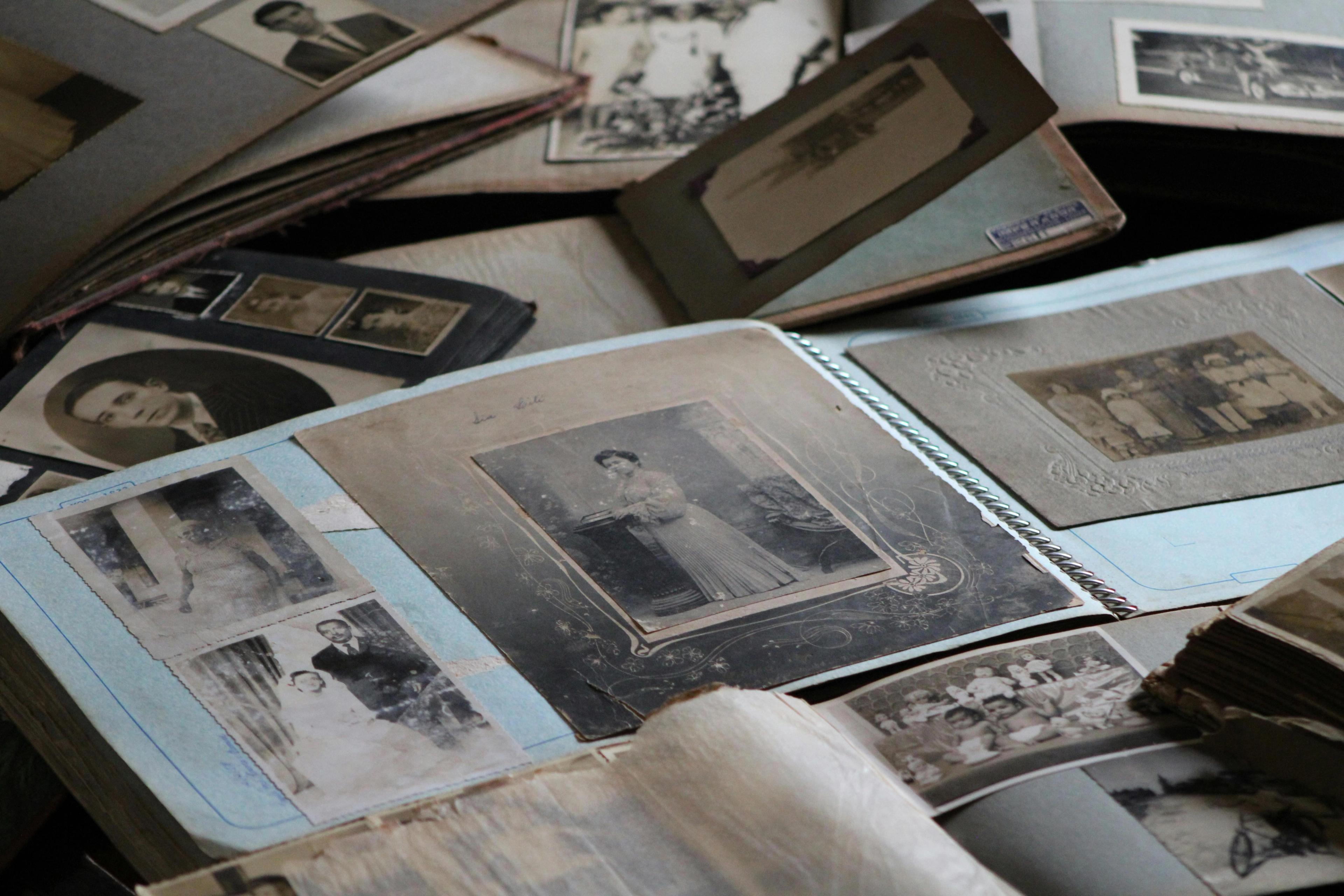
A photograph, old song, family recipe, or familiar smell can trigger stories you haven't thought about for years. If you're struggling to remember parts of your life story, try:
- Looking through old photo albums
- Listening to music from your teens or twenties
- Revisiting places that were important to you
- Talking with siblings, relatives, or old friends
Often, one memory leads naturally to another.
If you want more ways to gently reconnect with the past, our guide on how to relive memories can help.
Final thoughts
Nostalgia goggles may cause us to see the past a little more positively than it really was. But that's not necessarily a flaw.
In many ways, it's one of the brain's gifts. By softening difficult emotions and preserving meaningful experiences, nostalgia helps us make sense of our lives and appreciate the people and moments that shaped us.
And if you're writing a memoir, those nostalgic memories are often the perfect place to begin.


